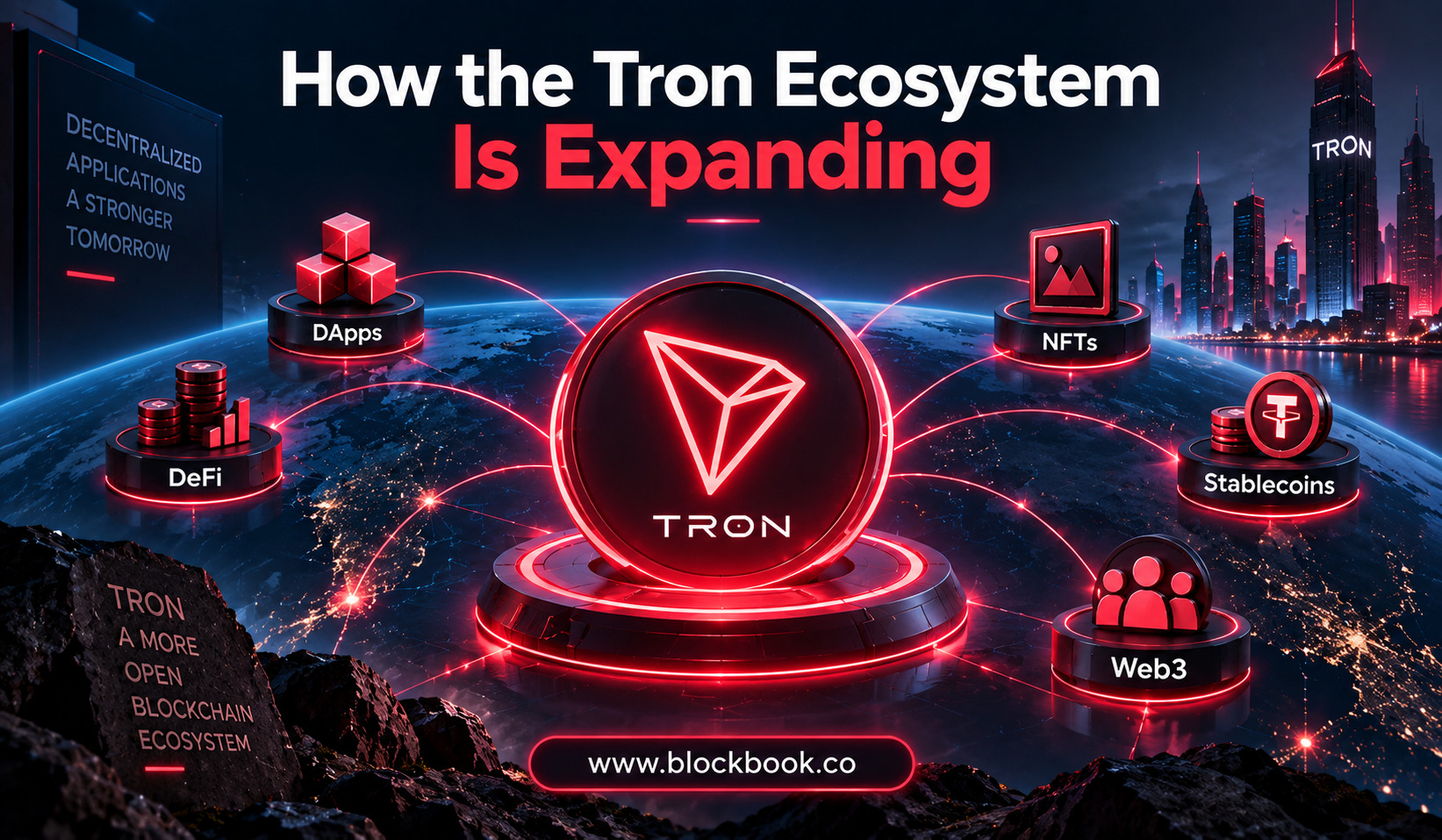
The blockchain industry is moving into a broader phase of development as networks increasingly build ecosystems that extend beyond their original cryptocurrency functions. Decentralized applications, stablecoins, decentralized finance, tokenized assets, developer tools, and payment infrastructure are becoming important components of blockchain networks. TRON is part of this wider shift, with its ecosystem developing around several interconnected use cases.
TRON initially gained attention as a blockchain designed to support decentralized applications and digital content. Over time, its ecosystem has developed a stronger focus on digital assets, stablecoin transfers, decentralized finance, smart contracts, and Web3 applications.
The expansion of the TRON ecosystem is not limited to the blockchain itself. It also involves developers, applications, wallets, infrastructure providers, token standards, decentralized services, and users interacting with the network. This broader ecosystem approach is becoming increasingly important as blockchain platforms compete for developers and real-world applications.
Understanding the TRON Ecosystem
TRON is a public blockchain network that supports smart contracts and decentralized applications. Its programmable infrastructure allows developers to create applications that use blockchain-based transactions and digital assets.
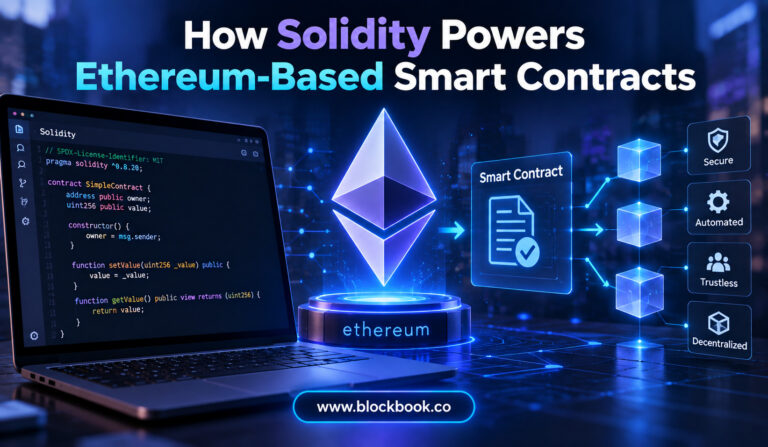
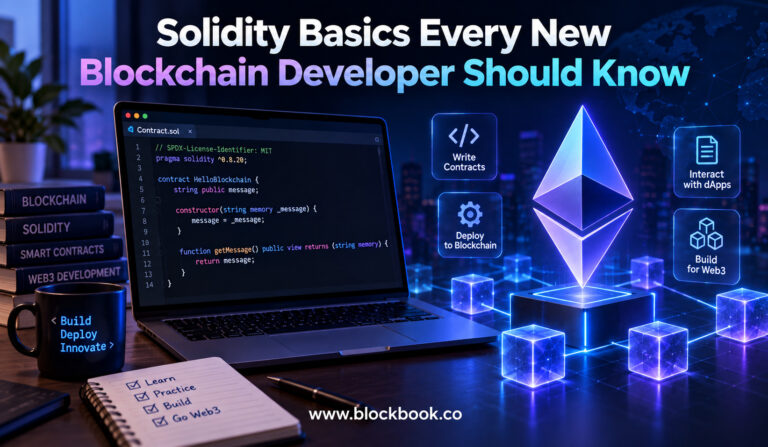
The TRON Virtual Machine, or TVM, provides the environment for executing smart contracts. Developers can use Solidity to write contract code, while tools such as TronWeb allow applications to interact with the network.
This foundation has enabled TRON to develop beyond simple cryptocurrency transfers. Applications can use smart contracts to create token systems, decentralized exchanges, lending platforms, payment services, and other Web3 products.
The ecosystem can therefore be viewed as a combination of the underlying blockchain, applications built on top of it, digital assets, development tools, and communities using those services.
Stablecoins Become a Major Part of the Ecosystem
One of the most important developments around TRON has been the growth of stablecoin activity. Stablecoins are digital assets designed to maintain a relatively stable value against a reference asset, commonly a fiat currency.
TRON supports TRC-20 tokens, including major stablecoin assets. Their presence has helped create use cases for transfers, payments, trading, decentralized finance, and other digital-asset applications.
For users, stablecoins can provide a blockchain-based way to transfer value without directly exposing every transaction to the price volatility associated with many cryptocurrencies. For developers, they provide assets that can be integrated into applications.
The stablecoin segment also connects TRON with a broader digital-payments ecosystem. Businesses and individuals can use blockchain-based assets for certain transfer and settlement purposes, subject to the relevant regulatory and operational conditions.
This growing activity has become an important part of how the TRON ecosystem is developing.
Decentralized Finance Continues to Expand
Decentralized finance, commonly called DeFi, is another important component of the ecosystem. DeFi applications use smart contracts to provide financial functions through blockchain infrastructure.
TRON’s ecosystem includes decentralized exchanges, lending platforms, liquidity services, and other financial applications. Platforms such as SunSwap and JustLend DAO demonstrate how smart contracts can be used to create financial services within the network.
A decentralized exchange can allow users to swap supported tokens through smart contracts. Lending applications can allow users to supply assets or borrow against supported collateral according to programmed rules.
The development of these applications creates connections between different parts of the ecosystem. A token can be used in a decentralized exchange, deposited into a lending application, or integrated into another smart-contract-based service.
This composability is one of the defining characteristics of blockchain ecosystems.
Smart Contracts Expand Developer Opportunities
Smart contracts provide the programming layer behind many TRON applications. They allow developers to define rules that can be executed through the blockchain.
TRON’s support for Solidity can make the ecosystem accessible to developers who already have experience with Ethereum-style smart contracts. The TRON Virtual Machine also provides an execution environment designed to support programmable applications.
Developers can create applications for different purposes rather than being restricted to one category. Depending on the project, smart contracts can manage tokens, digital assets, financial operations, access rules, or other blockchain processes.
The availability of development tools is also important. A blockchain ecosystem needs more than a network; developers need software libraries, testing environments, APIs, wallets, documentation, and infrastructure to turn concepts into usable applications.
TRON Developer Tools and Infrastructure
The expansion of a blockchain ecosystem depends heavily on its developer community. TRON provides development resources designed to help developers build and connect applications to the network.
TronWeb is one of the better-known tools in the TRON ecosystem. It provides JavaScript-based functionality for interacting with accounts, transactions, smart contracts, and blockchain data.
Developers can also use different APIs and infrastructure services to retrieve blockchain information and build applications around smart contracts.
A typical application development stack can include:
- Solidity for writing smart contracts
- TVM for contract execution
- TronWeb for blockchain interaction
- Wallet infrastructure for transaction authorization
Developers can combine these components with conventional technologies such as JavaScript frameworks, cloud services, databases, APIs, and analytics platforms.
Growth of TRON-Based Tokens
Token creation is another area contributing to ecosystem expansion. TRC-20 provides a standard framework for creating fungible tokens on TRON.
A common token standard makes it easier for applications to recognize and interact with assets. Developers can create tokens that are designed to work with compatible wallets, exchanges, smart contracts, and other applications.
TRON also supports TRC-721 for non-fungible tokens. NFTs can represent unique digital assets rather than interchangeable units.
Although market attention toward NFTs changes over time, the underlying technology remains relevant for applications involving unique digital ownership, collectibles, credentials, and other digital assets.
The combination of fungible and non-fungible token standards gives developers multiple ways to design blockchain applications.
Payments and Digital Asset Transfers
Payments are increasingly becoming an important part of the blockchain ecosystem. TRON’s activity around stablecoins has created an environment where digital asset transfers are a major use case.
Blockchain-based payments can potentially provide faster settlement in certain situations and enable transfers across geographic boundaries. However, the practical experience depends on wallet infrastructure, liquidity, regulatory requirements, transaction resources, and integration with existing financial systems.
For developers, payment functionality can be incorporated into decentralized applications, marketplaces, financial platforms, and other services.
The wider payment ecosystem also creates demand for wallets, custody services, compliance solutions, analytics, and other supporting technologies.
Comparing Major Parts of the TRON Ecosystem
| Ecosystem Area | Role in TRON | Examples of Use |
| Smart contracts | Application logic | DeFi, DApps, token systems |
| Stablecoins | Digital value transfer | Payments, transfers, trading |
| TRC-20 | Fungible token standard | Utility and financial tokens |
| TRC-721 | NFT standard | Unique digital assets |
| DeFi | Blockchain-based finance | Swaps, lending, liquidity |
| Developer tools | Application development | Contract interaction and APIs |
| Wallets | User access | Asset management and transactions |
| Infrastructure | Network connectivity | Data, APIs, application support |
These components are interconnected. Growth in one area can create demand for services in other areas.
Role of Wallets and User Infrastructure
Users need accessible tools to interact with blockchain applications. Wallets provide an important connection between users and decentralized applications.
A wallet can allow users to hold assets, sign transactions, and connect to applications. For developers, wallet compatibility can influence how easily users can access a DApp.
The broader ecosystem also includes blockchain explorers, APIs, data services, security providers, custody solutions, and other infrastructure.
As the number of applications increases, these supporting services become increasingly important. An ecosystem cannot depend solely on smart contracts; it requires a surrounding technology stack that makes those contracts usable.
Interoperability Could Shape Future Expansion
Blockchain ecosystems are increasingly interconnected. Users and applications often need to operate across more than one network.
Interoperability can allow assets or information to move between different blockchain environments. For TRON, connections with external networks can potentially increase access to additional applications, liquidity, and users.
However, cross-chain infrastructure introduces additional technical and security considerations. Bridges and interoperability protocols can become targets for attacks, making security a major concern.
Developers therefore need to assess interoperability solutions carefully rather than assuming that connecting two networks automatically creates a secure environment.
TRON and the Broader Web3 Market
The expansion of TRON is taking place within a much larger Web3 industry. Developers have numerous blockchain platforms available, and each network competes for applications, users, liquidity, and infrastructure.
Ethereum remains a major smart-contract ecosystem, while networks such as Solana, BNB Chain, Avalanche, and others offer alternative development environments.
TRON’s ecosystem has developed a particular presence around stablecoins, payments, DeFi, and digital assets. This specialization can influence the types of applications developers choose to build.
As blockchain adoption develops, ecosystems may become less defined by a single application category and more by the connections between multiple services.
Security and Governance Challenges
Ecosystem growth also creates new challenges. More applications and assets mean a larger technical environment that needs to be monitored and secured.
Smart-contract vulnerabilities can affect users and applications. Developers need to conduct testing and security reviews before deploying contracts, particularly when significant assets are involved.
Governance is another important consideration. Blockchain ecosystems include developers, infrastructure providers, application teams, users, and other participants. Decisions about upgrades, standards, security, and ecosystem development can affect all of these groups.
A growing ecosystem therefore needs technical development alongside responsible security and governance practices.
What Could Drive Further Expansion?
Several developments could influence the future growth of the TRON ecosystem. Greater stablecoin adoption could create additional demand for payment applications. New DeFi products could expand smart-contract use cases, while developer tools could make application development more accessible.
Other potential areas include tokenized assets, decentralized identity, gaming, Web3 commerce, and integration with traditional financial infrastructure.
The expansion will ultimately depend on whether these applications provide practical value. Blockchain ecosystems can attract attention through technology, but sustained activity generally requires useful services, reliable infrastructure, strong security, and active users.
Challenges Ahead
TRON’s ecosystem also faces challenges common across the blockchain industry. Regulation can influence stablecoins, digital payments, token issuance, and financial applications.
Technical security remains another concern. Smart contracts are software, and software can contain vulnerabilities. Developers need to treat security as a continuous process rather than a one-time step.
User experience is equally important. Blockchain applications can still be complicated for people unfamiliar with wallets, transaction signing, private keys, and digital assets.
Addressing these challenges will be important if blockchain ecosystems want to reach users beyond the existing cryptocurrency community.
Conclusion
The TRON ecosystem is expanding through a combination of smart-contract technology, stablecoins, DeFi applications, token standards, payment activity, developer tools, wallets, and supporting infrastructure.
Its development has moved beyond a single blockchain use case toward a broader environment where different applications can interact with digital assets and smart contracts. Stablecoin transfers and decentralized finance have become important components, while developer tools such as TronWeb provide resources for building applications.
However, ecosystem growth also brings challenges involving security, regulation, governance, interoperability, and user experience. Developers and businesses need to consider these factors when evaluating blockchain-based solutions.
As Web3 continues to mature, TRON’s ecosystem will likely evolve alongside changing user needs and blockchain technology. Its ability to support useful applications and connect different parts of the digital-asset economy will remain important to its continued development.
FAQs
What is the TRON ecosystem?
The TRON ecosystem includes the TRON blockchain, smart contracts, decentralized applications, tokens, stablecoins, DeFi platforms, wallets, developer tools, and supporting infrastructure.
Why is the TRON ecosystem expanding?
Growth is being supported by activity involving stablecoins, digital asset transfers, decentralized finance, smart contracts, token applications, and Web3 development.
What are TRC-20 tokens?
TRC-20 is a token standard on TRON designed for fungible digital assets. It allows tokens to follow common rules for functions such as transfers and balances.
Does TRON support DeFi?
Yes. The TRON ecosystem includes decentralized exchanges, lending platforms, liquidity services, and other smart-contract-based financial applications.
What role do stablecoins play in TRON?
Stablecoins are used for digital asset transfers and can also be integrated into payments, trading, lending, and other blockchain applications.
About the Author