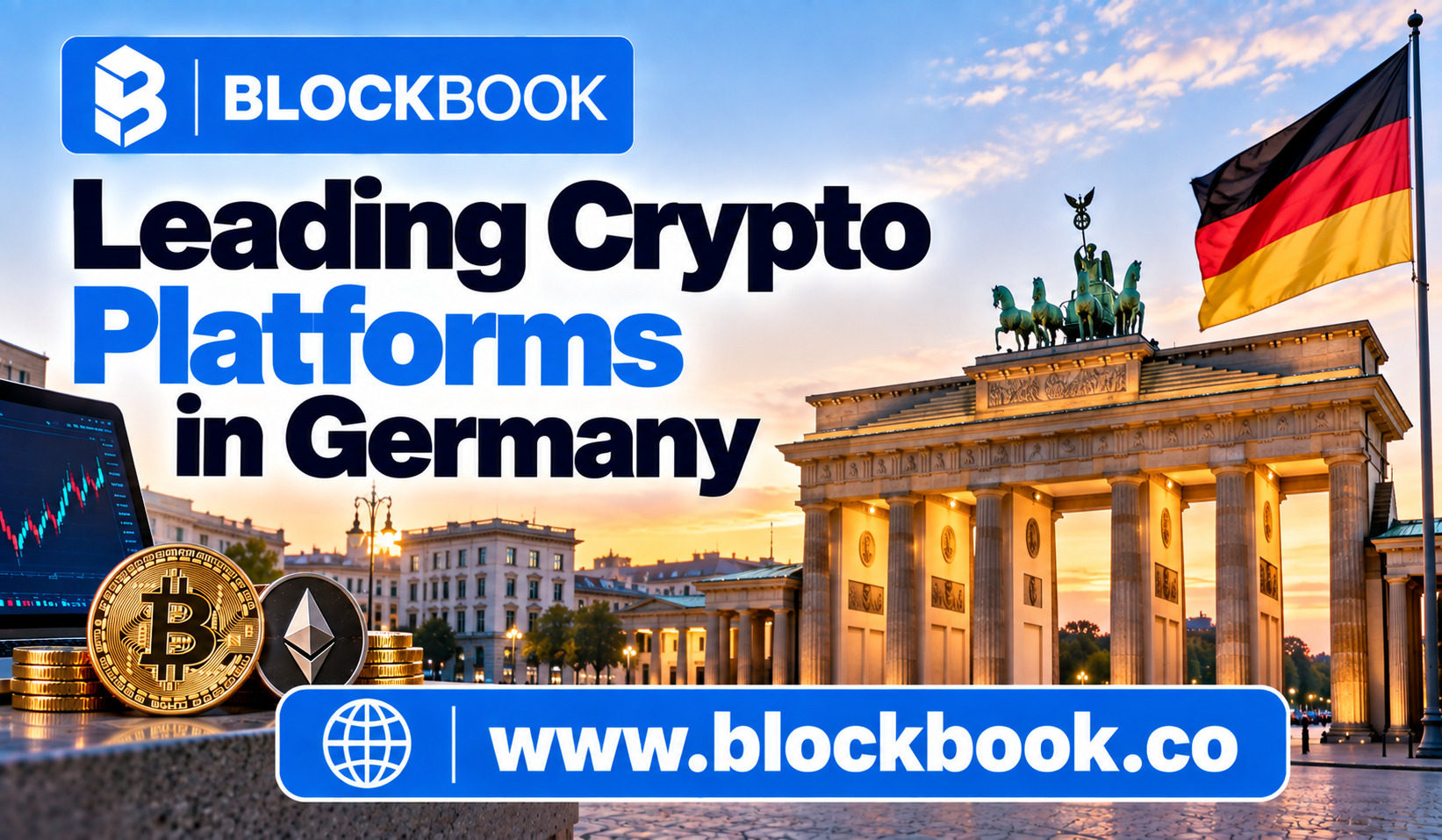
Germany has developed into one of Europe’s most important cryptocurrency markets. Interest in Bitcoin, Ethereum, stablecoins, and other digital assets has encouraged a wide range of crypto exchanges, investment apps, brokers, and blockchain-focused financial companies to serve German users.
The country’s crypto market includes both German businesses and international platforms operating under European regulatory frameworks. Some services are designed for beginners who want a simple way to buy cryptocurrency, while others provide advanced trading tools, professional custody, and access to a broader selection of digital assets.
The introduction of the European Union’s Markets in Crypto-Assets framework, commonly known as MiCA, is also changing how crypto businesses operate across Europe. For German users, this makes regulatory status, security, fees, euro support, and available services increasingly important when comparing platforms.
What Makes a Crypto Platform Suitable for German Users?
German cryptocurrency users often look for platforms that support euros and convenient SEPA transfers. Local-language customer service, transparent pricing, tax reporting tools, and straightforward account verification can also make a platform more convenient.
Regulation is another major consideration. Crypto services in Germany operate within a framework involving BaFin and European regulation. Depending on the provider and service, the relevant authorization may come from Germany or another EU member state under the MiCA framework.
Users should also remember that regulatory authorization does not remove the investment risk associated with cryptocurrency. Prices can change sharply, and individual crypto products may have different levels of risk and protection.
1. Bitpanda
Bitpanda is one of the most widely recognized digital asset platforms serving German users. Although the company originated in Austria, it has developed a strong presence across Germany and the wider European market.
The platform offers access to cryptocurrencies alongside other investment products. This broader approach can appeal to users who want to manage several types of assets through one account.
Bitpanda supports euro transactions and provides a relatively simple interface for buying and selling digital assets. It also offers more advanced features for users who want to explore additional investment services.
Its strong European presence and focus on regulated financial services have made it an important participant in Germany’s digital asset market.
2. Trade Republic
Trade Republic is a Berlin-based financial technology company that has expanded its investment platform to include cryptocurrency services.
Unlike a traditional crypto exchange, Trade Republic combines digital assets with stocks, ETFs, savings products, and other financial services. This makes cryptocurrency part of a broader investment environment.
Its simple mobile application is particularly relevant to users who prefer managing investments from one platform. The company’s German base and financial-services background also distinguish it from many international crypto exchanges.
Trade Republic has become increasingly prominent in Germany’s crypto market. Recent German consumer research has also shown the platform among the most recognized crypto trading platforms in the country.
3. Coinbase
Coinbase is a major international cryptocurrency platform with a significant presence in Germany.
The platform allows users to buy, sell, store, and trade various digital assets. Its relatively straightforward interface makes it accessible to people who are new to cryptocurrency, while Coinbase Advanced provides more detailed trading tools.
German users can access euro-based services and SEPA payment options, depending on the current products available to them.
Coinbase has also adapted its European operations to the MiCA regulatory environment. This is important because German customers using international platforms may increasingly be served through EU-regulated entities rather than separate German operations.
4. Kraken
Kraken is another major international cryptocurrency exchange serving German users.
The platform provides access to a broad range of digital assets and offers both simple buying options and professional trading tools. Kraken Pro is designed for users who want detailed charts, order types, and greater control over their trades.
Kraken supports euro transactions and SEPA transfers for eligible European customers.
The platform can therefore appeal to both general cryptocurrency users and people who trade more actively. Its institutional services also demonstrate how the cryptocurrency industry is expanding beyond retail customers.
5. BISON
BISON is a German cryptocurrency platform associated with Börse Stuttgart, one of Germany’s major financial market institutions.
The platform focuses on making cryptocurrency accessible through a relatively simple mobile experience. Users can buy and sell selected digital assets while managing their crypto activity through a service connected with the German financial market ecosystem.
BISON’s German identity is one of its major characteristics. It provides an alternative for customers who prefer a domestic platform rather than an international cryptocurrency exchange.
The platform has also performed strongly in German consumer comparisons, reflecting its established position in the country’s crypto market.
6. BSDEX
BSDEX, or Börse Stuttgart Digital Exchange, provides a more exchange-focused cryptocurrency trading environment.
The platform is connected with Börse Stuttgart and provides access to digital asset trading for German users.
Compared with beginner-oriented applications, BSDEX has a stronger emphasis on an order-book trading model. This can make it interesting for users who want a more traditional exchange experience.
Its German regulatory and financial-market connections also make it a notable part of the country’s domestic digital asset infrastructure.
7. Bitvavo
Bitvavo is a Netherlands-based cryptocurrency exchange that serves customers across Europe, including Germany.
The platform provides access to a large selection of digital assets and supports euro deposits and withdrawals. Its interface is designed to combine relatively simple cryptocurrency purchases with more advanced trading capabilities.
SEPA support is particularly useful for German customers because it allows users to transfer euros through the European banking system.
Bitvavo’s European focus has helped it become an established alternative to large international exchanges.
8. Scalable Capital
Scalable Capital is a German investment platform that has expanded its services to include cryptocurrency exposure.
The company’s broader investment platform allows customers to access traditional financial products alongside digital assets.
This approach is different from that of a dedicated cryptocurrency exchange. Users who already manage investments through Scalable Capital may find an integrated investment environment more convenient than maintaining separate accounts.
Its German financial technology background also makes it part of the growing group of European investment businesses incorporating crypto into their product offerings.
9. eToro
eToro is a global multi-asset investment platform that serves German customers.
The company provides access to cryptocurrencies alongside stocks and other investment products. It is particularly known for its social investing features and user-friendly interface.
For German users, eToro can provide a way to gain exposure to cryptocurrency without using a platform focused exclusively on digital assets.
However, users should understand the exact structure of the crypto product they are purchasing, including fees, custody arrangements, and withdrawal options.
10. Crypto.com
Crypto.com is an international cryptocurrency platform that serves users throughout Europe, including Germany.
Its ecosystem includes cryptocurrency trading, digital wallets, and other blockchain-related services. The platform supports a large selection of digital assets and places considerable emphasis on its mobile application.
Crypto.com is an example of a global crypto business adapting its European operations to the changing regulatory environment.
For German users, the exact availability of products can depend on local and European requirements, so checking the current terms is important before using specialized services.
Comparing Leading Crypto Platforms in Germany
Different platforms suit different types of users. A beginner may prioritize an easy interface and euro funding, while an active trader may care more about fees, liquidity, order types, and asset selection.
| Platform | Main Focus | EUR Support | Typical User |
| Bitpanda | Crypto and multi-asset investing | Yes | General investors |
| Trade Republic | Investment and crypto integration | Yes | Everyday investors |
| Coinbase | Crypto trading and investing | Yes | Beginners and general users |
| Kraken | Advanced crypto trading | Yes | Active traders |
| BISON | German crypto trading | Yes | German retail users |
| BSDEX | Exchange-style crypto trading | Yes | Active users |
| Bitvavo | European crypto trading | Yes | Retail and active users |
| Scalable Capital | Investment and crypto exposure | Yes | Multi-asset investors |
| eToro | Multi-asset investing | Yes | General investors |
| Crypto.com | Broad crypto ecosystem | Yes | Crypto users |
Fees, available assets, payment methods, and product restrictions can change. Users should always check the current conditions of a platform before depositing or trading funds.
Why Euro and SEPA Support Matter
Euro support is one of the most useful features for German cryptocurrency users.
A platform that accepts euros can make it easier to transfer money from a German bank account and purchase digital assets without first converting the funds into another currency.
SEPA transfers can also simplify deposits and withdrawals across the European banking system. Processing times and fees vary between providers, so users should compare the available funding options before choosing a platform.
Some services also support recurring purchases, allowing users to invest a fixed amount on a regular schedule rather than making every purchase manually.
Regulation of Crypto Platforms in Germany
Regulation has become a major part of Germany’s cryptocurrency market.
German crypto businesses may be subject to BaFin requirements, while companies operating under the European MiCA framework can provide certain crypto services across EU markets through the applicable authorization system.
Germany has taken a structured approach to the transition toward the European crypto regulatory framework. This has increased the importance of checking the specific legal entity providing a service and understanding which regulator oversees it.
Users should not assume that every cryptocurrency platform available online has the same regulatory status. Before opening an account, it is useful to verify whether the platform is authorized to provide the particular service being offered to German customers.
Security and Account Protection
Security is an important consideration when selecting any cryptocurrency platform.
Users should look for features such as two-factor authentication, withdrawal controls, transaction alerts, secure custody arrangements, and clear information about how customer assets are stored.
Personal security is equally important. A strong, unique password should be used for each financial account, and authentication codes should never be shared with another person.
Users should also be cautious about fake websites, emails, social media profiles, and messages pretending to represent a cryptocurrency exchange.
Keeping cryptocurrency on an exchange also involves platform and custody risks. Users should understand these risks before deciding how much of their digital assets to keep with a third-party provider.
Crypto Taxes and Record Keeping in Germany
Cryptocurrency can have tax implications for German residents depending on how digital assets are acquired, held, sold, exchanged, or otherwise used.
For this reason, keeping accurate transaction records is important. Users may need information such as purchase prices, sale prices, dates, transaction fees, and transfers between wallets.
Some platforms provide downloadable transaction histories or tax-related reports. These tools can make record keeping easier, but users should still maintain their own records.
Tax treatment can depend on individual circumstances, so people with significant or complex crypto activity may want to seek professional tax advice.
How to Choose a Crypto Platform in Germany
There is no single platform that is suitable for every German crypto user. The right choice depends on how frequently someone trades, which assets they want, and whether they need additional investment services.
Before opening an account, users can compare:
- Regulatory status and the legal entity serving German customers
- EUR deposits, withdrawals, and SEPA support
- Trading, conversion, and withdrawal fees
- Available cryptocurrencies and account security features
It is also useful to test a platform with a small transaction before depositing a significant amount. This can help users understand how verification, deposits, purchases, and withdrawals work.
The Future of Crypto Platforms in Germany
Germany’s cryptocurrency market is likely to continue developing as MiCA becomes more established across the European Union.
The industry is gradually moving beyond simple cryptocurrency trading. Stablecoins, tokenized securities, digital payments, institutional custody, and blockchain-based financial services could become increasingly important.
Traditional financial companies are also becoming more involved in digital assets. German banks, investment platforms, exchanges, and financial technology companies are exploring ways to integrate blockchain-based assets into existing financial services.
For consumers, this could create more choices and greater integration between traditional investing and digital assets.
At the same time, users will need to pay closer attention to regulation, fees, custody, security, and tax reporting when selecting a platform.
Germany’s combination of a large financial sector, strong technology industry, established exchanges, and European regulatory infrastructure gives the country’s crypto market a substantial foundation for continued development.
Frequently Asked Questions
1. What are the leading crypto platforms in Germany?
Major platforms serving German users include Bitpanda, Trade Republic, Coinbase, Kraken, BISON, BSDEX, Bitvavo, Scalable Capital, eToro, and Crypto.com.
2. Can German users buy cryptocurrency with euros?
Yes. Many platforms serving Germany support EUR deposits and withdrawals, with SEPA transfers available on several platforms.
3. Are crypto platforms regulated in Germany?
Crypto platforms can be subject to German and European regulatory requirements. Depending on the provider and service, supervision may involve BaFin or another EU regulator under the MiCA framework.
4. What should German users check before choosing a crypto platform?
Users should compare regulatory status, EUR and SEPA support, fees, available cryptocurrencies, security features, custody arrangements, withdrawal conditions, and tax-reporting tools.
5. Is cryptocurrency taxed in Germany?
Cryptocurrency transactions can have tax consequences depending on the type of transaction and the individual’s circumstances. Users should keep detailed records and check the tax rules applicable to their situation.
About the Author