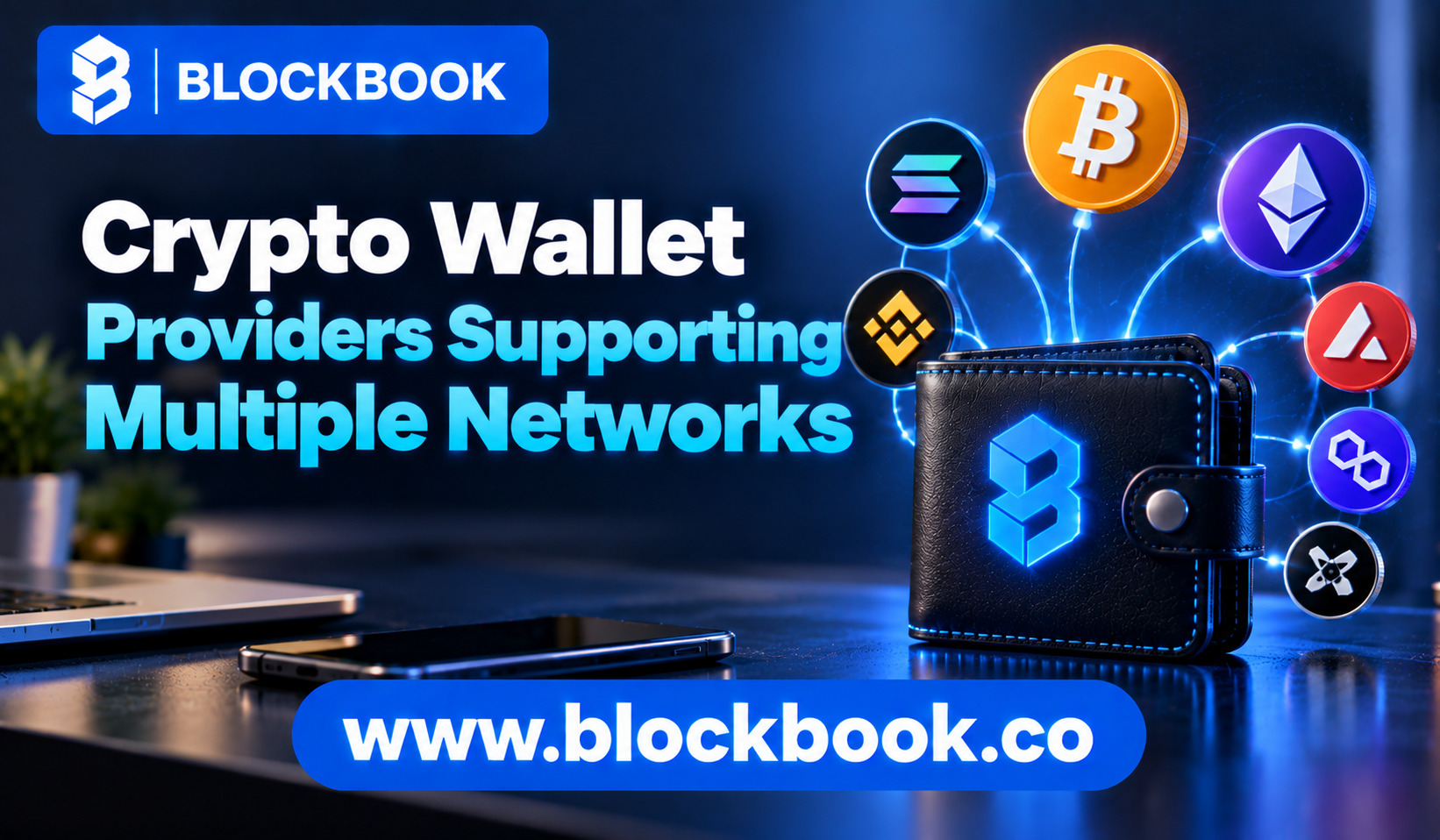
The cryptocurrency industry is no longer built around a small number of blockchain networks. Bitcoin, Ethereum, Solana, BNB Chain, Avalanche, Polygon, Arbitrum, Optimism, and many other networks now serve different purposes. As digital asset users move between these ecosystems, managing cryptocurrency through separate wallets can become inconvenient.
This is why multi-network crypto wallets have become increasingly popular. These wallets allow users to manage assets from different blockchain networks through one application or device. Instead of keeping one wallet for every ecosystem, users can use a broader platform to view balances, send assets, connect with decentralized applications, and perform other activities.
Wallet providers supporting multiple networks are also expanding beyond simple storage. Many now include token swaps, staking, Web3 application connections, portfolio tracking, and other features.
However, supporting several networks is technically challenging. Every blockchain has its own transaction structure, fees, token standards, and security considerations. A good multi-network wallet needs to hide unnecessary complexity while still giving users enough information to make correct transactions.
What Is a Multi-Network Crypto Wallet?
A multi-network crypto wallet is a wallet that supports digital assets across more than one blockchain.
For example, a wallet might allow users to manage Bitcoin, Ethereum-based tokens, Solana assets, and tokens on other compatible networks from one application.
The wallet does not combine the blockchains into a single network. Instead, it provides an interface that connects with several independent blockchain systems.
Why Multi-Network Support Matters
Using separate wallets for different networks can create additional work. Users may need to remember different applications, backup processes, interfaces, and transaction methods.
A multi-network wallet brings these activities together.
Common capabilities can include:
- Managing assets across multiple blockchains
- Sending and receiving supported cryptocurrencies
- Connecting with Web3 applications
- Viewing multiple network balances in one place
This makes multi-network support particularly useful for people who regularly interact with different blockchain ecosystems.
Leading Wallet Providers Supporting Multiple Networks
Several well-known wallet providers have built support for multiple blockchain networks. Each provider has a different combination of supported assets, applications, and security features.
MetaMask
MetaMask is widely used for Ethereum and compatible blockchain networks. It began primarily as a browser-based wallet for interacting with Ethereum applications and has expanded its capabilities over time.
Users can manage supported assets and connect to decentralized applications through browser and mobile interfaces.
MetaMask is especially useful for Web3 users who frequently interact with decentralized applications.
Because it supports different networks, users need to make sure the correct network is selected before sending or receiving assets.
Trust Wallet
Trust Wallet is a popular multi-network wallet available primarily through mobile devices.
It supports a broad selection of cryptocurrencies and blockchain networks and provides access to various Web3 services.
Its multi-network approach allows users to manage different assets without maintaining a separate wallet application for every blockchain.
The wallet’s mobile design can make it convenient for everyday users who want to manage cryptocurrency from a smartphone.
Coinbase Wallet
Coinbase Wallet is a self-custody wallet that supports multiple blockchain networks and digital assets.
It operates separately from a standard exchange account and allows users to manage supported assets and connect with Web3 applications.
Its connection with the wider Coinbase ecosystem can make it familiar to users who already use cryptocurrency services from the company.
Phantom
Phantom was initially known mainly for Solana but has expanded into support for additional blockchain networks.
The wallet is available through browser and mobile applications and is designed for asset management and Web3 interaction.
Its expansion into multiple networks reflects a broader trend among wallet providers: users increasingly want one wallet that can work across several ecosystems.
Exodus
Exodus focuses on providing a simple interface for managing multiple digital assets.
It supports several blockchain networks and offers applications across different devices.
Its emphasis on user-friendly portfolio management makes it suitable for people who want to manage multiple assets without dealing with highly technical interfaces.
Ledger
Ledger is a hardware wallet provider supporting a wide range of cryptocurrencies and blockchain networks through compatible software.
Hardware wallets are designed to keep private keys within a dedicated physical device, adding separation from everyday internet-connected devices.
Ledger’s multi-network capabilities allow users to manage assets across different ecosystems while maintaining a hardware-based approach to self-custody.
Trezor
Trezor is another established hardware wallet provider supporting multiple digital assets.
Its devices allow users to manage compatible cryptocurrencies and approve transactions through dedicated hardware.
For users who hold assets across different networks, multi-asset hardware support can reduce the need to maintain several separate physical wallets.
Comparing Multi-Network Wallet Providers
| Provider | Main Wallet Type | Multi-Network Focus |
| MetaMask | Software | Ethereum and compatible networks |
| Trust Wallet | Software | Broad mobile multi-network support |
| Coinbase Wallet | Software | Self-custody and Web3 |
| Phantom | Software | Solana and additional networks |
| Exodus | Software | Multi-asset management |
| Ledger | Hardware | Broad hardware-based support |
| Trezor | Hardware | Multi-asset self-custody |
Supported networks and features can change, so users should confirm current compatibility before moving assets.
How Wallets Support Different Blockchains
Supporting multiple networks requires more than displaying different cryptocurrency names.
Wallet providers need systems that can communicate with different blockchain networks. They may use blockchain nodes, network providers, software libraries, and application interfaces to retrieve balances and submit transactions.
Each network may require different transaction formats and fee calculations.
The wallet must translate these technical differences into an interface that users can understand.
Different Transaction Systems
Bitcoin and Ethereum use different approaches to recording transactions. Other networks have their own systems as well.
A wallet that supports several networks therefore needs specialized integrations for each one.
This work continues after the initial launch because blockchain networks can introduce technical changes that require wallet updates.
Token Standards and Network Compatibility
A major challenge for multi-network wallets is handling different token standards.
A token may use one technical standard on one blockchain and another standard on a different network.
Users may see the same token name on several networks, but these assets are not necessarily interchangeable without using an appropriate bridge or swap system.
Wallet providers can reduce confusion by clearly showing the network associated with each asset.
Sending and Receiving Assets
Multi-network wallets make sending and receiving cryptocurrency more convenient, but they also require careful attention.
When receiving funds, users should provide an address compatible with the selected network.
When sending funds, users should verify the:
- Cryptocurrency being transferred
- Blockchain network
- Receiving address
- Required network fee
These details are particularly important when the same asset is available across several networks.
Network Fees
Each blockchain has its own approach to transaction fees.
Bitcoin transactions have different fee requirements from Ethereum transactions, while other networks use their own systems.
A multi-network wallet needs to calculate or estimate the appropriate fee for each transaction.
For users, a clear fee display is important. They should be able to see which asset is being used to pay the network fee before confirming a transaction.
Multi-Network Wallets and Web3
Multi-network wallets are becoming important gateways to Web3 applications.
A user may interact with a decentralized exchange on one network, a blockchain game on another, and a digital collectible application on a third.
A wallet that supports these ecosystems can provide a single access point.
Connecting to Decentralized Applications
When a wallet connects to a decentralized application, it may be asked to approve transactions or sign messages.
Users should understand what they are approving before confirming anything.
Multi-network support increases the number of applications available to users, but it also makes careful transaction review more important.
Self-Custody and Multi-Network Wallets
Many multi-network wallets are non-custodial. This means users generally control their private keys and recovery information.
Self-custody provides direct control over assets, but users are responsible for protecting their wallet credentials.
A recovery phrase should never be shared with another person or entered into an unfamiliar website.
Why Backup Matters
A multi-network wallet may contain access to several types of digital assets. Losing the recovery information can therefore affect multiple holdings at once.
Users should store backup information securely and avoid keeping sensitive recovery details in easily accessible digital locations.
Hardware vs Software Multi-Network Wallets
Software wallets offer convenience and quick access. They are particularly useful for frequent transactions and Web3 applications.
Hardware wallets provide a physical security layer and can be useful for people who want stronger separation between private keys and online devices.
Some users combine both approaches. They may keep frequently used assets in a software wallet and use hardware storage for longer-term holdings.
Portfolio Management Across Networks
One of the biggest benefits of multi-network wallets is consolidated portfolio management.
Instead of checking separate applications for different assets, users can view multiple holdings from one interface.
Some wallets may provide estimated portfolio values, transaction histories, token information, and other management tools.
This can make it easier to understand an overall digital asset portfolio.
However, portfolio values may depend on external pricing information and should not be treated as guaranteed market values.
Cross-Chain Features
Some multi-network wallets integrate cross-chain swaps and bridge services.
These tools can help users move assets between blockchain ecosystems or exchange assets across networks.
However, cross-chain transactions can involve additional steps and risks.
Users should understand which service is being used and check the destination network carefully before confirming a transaction.
Security Challenges of Multi-Network Wallets
Supporting many blockchains creates additional security responsibilities.
A wallet provider needs to protect private key management while also ensuring that every network integration works correctly.
Potential risks can include malicious applications, phishing, incorrect network selection, vulnerable third-party integrations, and fraudulent tokens.
Wallet providers can help through transaction warnings, application screening, security updates, and clear user guidance.
Users also need to remain cautious.
Choosing a Multi-Network Wallet
The number of supported blockchains should not be the only consideration.
Users should first identify which networks and assets they actually need. They can then compare security, ease of use, Web3 compatibility, device support, and backup options.
It is also useful to consider:
- Reputation and security practices
- Supported devices
- Recovery options
- Compatibility with required applications
A wallet supporting fewer networks may be more useful if it provides strong support for the ecosystems a user actually uses.
The Future of Multi-Network Wallets
The number of blockchain networks is likely to continue growing, creating more demand for wallets that can operate across different ecosystems.
Future wallets may provide better automatic network selection, simpler cross-chain transactions, improved transaction warnings, and smarter portfolio management.
Smart wallets could also make account recovery and transaction approvals more flexible.
The long-term goal is likely to make blockchain differences less noticeable to users while keeping important information visible when it matters.
Conclusion
Crypto wallet providers supporting multiple networks are helping users navigate an increasingly diverse blockchain ecosystem.
Providers such as MetaMask, Trust Wallet, Coinbase Wallet, Phantom, Exodus, Ledger, and Trezor offer different approaches to multi-network asset management. Some focus on mobile and Web3 access, while others emphasize hardware-based security.
Multi-network support can make cryptocurrency management easier by bringing several blockchain ecosystems into one interface. However, it also creates additional responsibilities. Users must check networks, verify addresses, understand transaction fees, and protect their recovery information.
As blockchain adoption expands, multi-network wallets are likely to become increasingly common. The most useful providers will be those that can combine broad network support with strong security, clear information, and a simple user experience.
FAQs
1. What is a multi-network crypto wallet?
A multi-network crypto wallet supports digital assets and transactions across multiple blockchain networks. It allows users to manage different blockchain ecosystems through one wallet interface.
2. Which crypto wallets support multiple networks?
Several major providers offer multi-network functionality, including MetaMask, Trust Wallet, Coinbase Wallet, Phantom, Exodus, Ledger, and Trezor. The exact networks and assets supported vary between providers.
3. Can I send the same cryptocurrency across different networks?
It depends on the asset and the services being used. A token may exist on several networks, but users must select a compatible network on both sides of a transaction.
4. Are multi-network wallets safe?
They can provide strong security when properly designed and used, but risks remain. Users should protect recovery information, verify networks and addresses, and carefully review applications and transaction requests.
5. What should I look for in a multi-network wallet?
Consider supported cryptocurrencies and networks, security features, self-custody options, Web3 compatibility, device support, recovery methods, and ease of use. Choose a wallet based on the networks and services you actually need.
About the Author