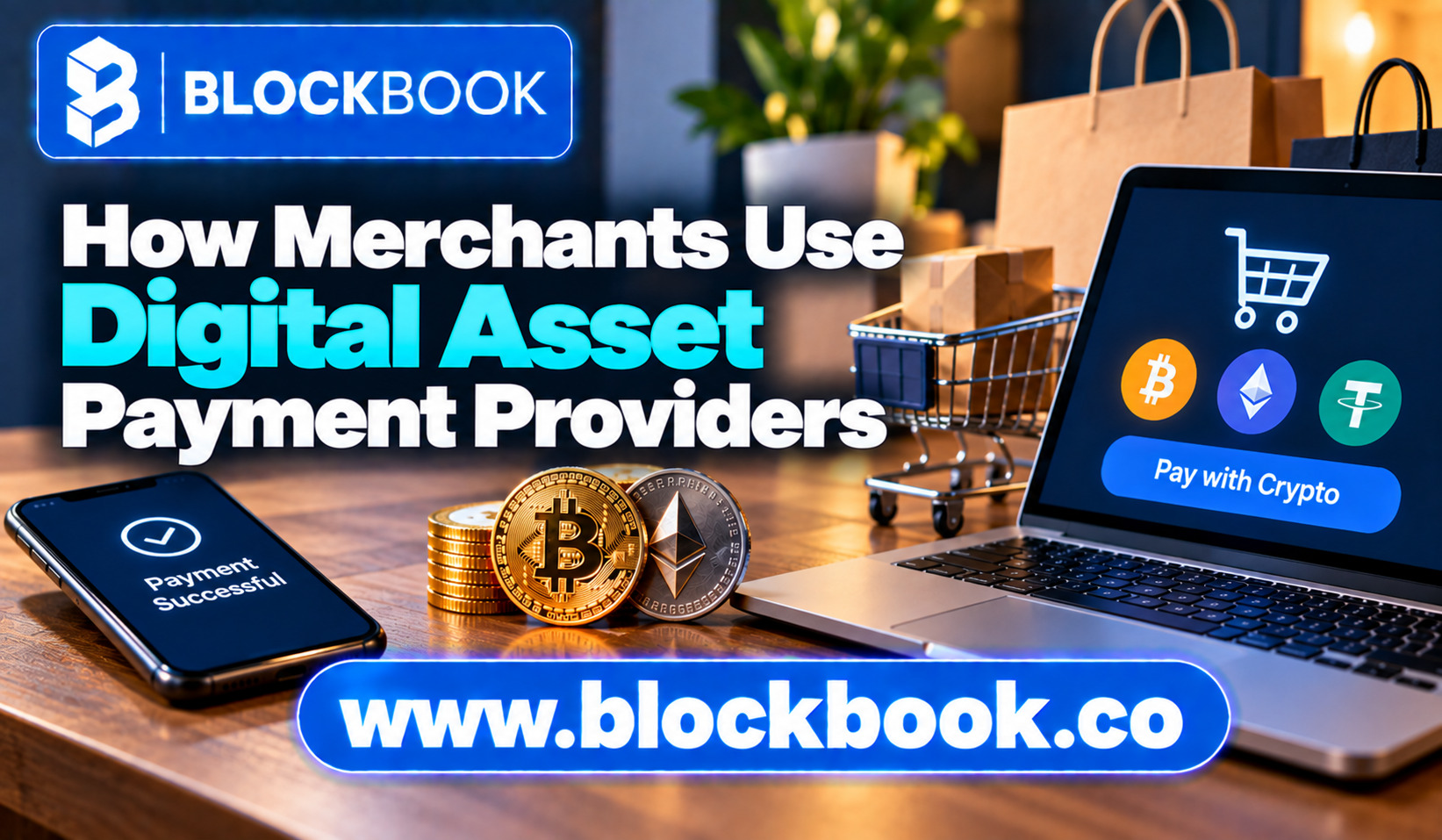
Digital assets are becoming part of the modern online payment landscape. While cryptocurrencies were initially associated mainly with investing and trading, businesses are increasingly exploring them for accepting customer payments, sending funds, handling international transactions, and supporting new digital commerce models.
For merchants, however, accepting digital assets directly can involve several technical and operational challenges. Businesses need to understand blockchain networks, wallet addresses, transaction confirmations, payment fees, currency conversion, security, refunds, and recordkeeping. Digital asset payment providers help simplify these processes.
These providers give merchants the infrastructure needed to accept supported cryptocurrencies and stablecoins without building an entire blockchain payment system themselves. Depending on the service, merchants can also receive traditional currency, create payment links, issue invoices, manage transactions, and connect digital asset payments with their existing online stores.
Understanding how merchants use these services helps explain why payment providers are becoming an important part of the growing digital asset economy.
What Are Digital Asset Payment Providers?
Digital asset payment providers are companies that offer technology for processing payments involving cryptocurrencies, stablecoins, and other blockchain-based assets.
The provider usually works as a technology layer between the customer, merchant, and blockchain network. When a customer chooses a digital asset payment option, the provider can generate the payment request, provide wallet instructions, monitor the transaction, and notify the merchant after the payment has been confirmed.
Some providers also offer conversion services. A merchant may accept Bitcoin or a stablecoin while receiving traditional currency such as US dollars or euros. This gives businesses greater flexibility in deciding how they want to manage the money they receive.
The exact features differ from one provider to another, but the main purpose is to make digital asset payments easier to use.
Why Merchants Are Exploring Digital Asset Payments
The first reason merchants use digital asset payment providers is customer choice. Some consumers already hold cryptocurrencies and may prefer to use them when purchasing goods or services.
International commerce is another important factor. Online businesses can serve customers from many countries, and digital assets provide another way to transfer value across borders.
Digital payments can also be useful for businesses operating in industries where cryptocurrency adoption is already relatively strong. Technology companies, software businesses, online services, gaming companies, and digital marketplaces may have customers who are comfortable using blockchain-based payments.
However, merchants should not adopt digital assets simply because the technology is available. Customer demand, costs, regulation, accounting requirements, and business goals should all be considered.
How Merchants Accept Digital Asset Payments
The process generally begins when a merchant adds a digital asset payment option to its website or point-of-sale system.
At checkout, the customer selects the preferred payment method. The provider creates a payment request showing the amount, supported asset, and relevant network information.
The customer then sends the funds from a digital wallet. The payment provider monitors the blockchain and checks whether the transaction meets the required confirmation conditions.
Once the payment is confirmed, the merchant receives an update. Depending on the merchant’s agreement with the provider, the funds can be settled in cryptocurrency, stablecoins, or traditional currency.
This process allows merchants to offer digital payments while outsourcing much of the technical work.
Online Stores and E-Commerce
E-commerce is one of the most obvious areas where digital asset payment providers can be useful.
Online merchants can integrate payment gateways into their websites, allowing customers to choose cryptocurrency alongside cards and other payment methods.
Payment providers may offer plugins, hosted checkout pages, payment buttons, QR codes, or APIs. These tools can reduce the technical work required to introduce digital asset payments.
Improving the Checkout Experience
A simple checkout is important because customers may abandon a purchase if the payment process becomes confusing.
A good digital asset checkout should clearly show the amount, payment asset, network, payment status, and any applicable fees.
Some providers also allow customers to connect compatible wallets directly, reducing the need to manually copy and paste wallet addresses.
Accepting Stablecoins
Stablecoins are becoming an important payment option for merchants. They are designed to maintain a relatively stable value compared with many other cryptocurrencies.
For a business, this can make pricing easier. A merchant may prefer receiving a digital asset linked to a major currency rather than accepting an asset whose market value can change significantly within a short period.
Stablecoins can also be useful for international businesses. A customer in another country may be able to make a payment using a dollar-linked stablecoin, while the merchant can later convert the funds into its preferred currency if supported.
Managing Cryptocurrency Volatility
Price volatility can be a concern for merchants accepting cryptocurrencies. A business that receives a volatile digital asset may see its value change between the time of payment and the time it is converted or used.
Payment providers can help manage this issue by offering automatic conversion or settlement services.
For example, a merchant may advertise a product at a fixed traditional-currency price. The customer pays in cryptocurrency, while the provider calculates the required amount and converts the payment according to the agreed settlement process.
This can make crypto acceptance more practical for businesses that do not want to hold large amounts of cryptocurrency.
International Payments and Global Customers
Digital asset payments can provide another option for businesses with international customers.
Traditional cross-border payments can involve banks, payment processors, currency conversion, and different settlement schedules. Blockchain networks offer an alternative method for transferring value.
Payment providers make this more accessible by handling the blockchain side of the transaction while giving the merchant a familiar business interface.
Merchants should still consider local regulations and financial requirements. International digital asset payments can involve tax, reporting, customer verification, and other obligations depending on the countries involved.
Invoices and Business Payments
Merchants do not always receive payments through an online shopping cart. Businesses may also need to invoice customers for professional services, subscriptions, consulting, software, or large orders.
Digital asset payment providers can create invoices that specify the amount due and provide instructions for completing payment.
This can be particularly useful for businesses that work with international clients.
Instead of manually sending wallet addresses and tracking blockchain transactions, the business can use a structured payment system that records the transaction and provides payment status information.
Using Digital Assets for Payouts
Merchants can also use payment providers for outgoing payments. A business may need to pay international contractors, suppliers, affiliates, creators, or other partners.
Stablecoins and other digital assets can provide another way to send funds where permitted.
Payment platforms can make these payouts easier by managing payment instructions, transaction records, and bulk payment processes.
For businesses with many international recipients, automation can be particularly valuable because manually processing every transaction can become time-consuming.
Payment Information and Recordkeeping
Merchants need accurate information about every payment they receive. This becomes especially important when businesses process digital assets.
Payment providers may offer dashboards showing transaction amounts, payment status, settlement information, and transaction history.
Some platforms can also connect with business software through APIs. This allows payment data to flow into accounting, order management, or internal reporting systems.
Accurate records help businesses understand revenue and make it easier to reconcile payments with customer orders.
| Merchant Need | How a Payment Provider Can Help |
| Customer payments | Provides digital asset checkout |
| International sales | Supports blockchain-based transfers |
| Stablecoin acceptance | Processes supported stablecoin payments |
| Currency conversion | May convert digital assets into traditional currency |
| Invoicing | Creates payment requests and invoices |
| Transaction records | Provides payment and settlement information |
| Business payouts | Helps send digital asset payments to recipients |
The available features vary by provider, so merchants should review the exact service before integrating it.
Security and Transaction Protection
Security is one of the most important considerations for merchants. Blockchain transactions can be difficult to reverse once confirmed, so payment mistakes may create permanent financial problems.
Payment providers can introduce security measures around payment processing, including account protection, transaction monitoring, secure checkout systems, and access controls.
Merchants also need their own security procedures. Employee accounts should be protected, administrative access should be limited, and wallet or payment credentials should be handled carefully.
Customers should also receive clear instructions. Confusing network information or incorrect wallet details can lead to failed or misplaced payments.
Managing Fees
Digital asset payments can involve several different costs. Merchants may encounter provider processing fees, conversion charges, withdrawal costs, and blockchain network fees.
The actual cost can vary depending on the cryptocurrency, blockchain network, transaction size, and settlement method.
Before selecting a provider, merchants should calculate the total cost of accepting digital assets rather than focusing on one advertised rate.
Businesses should also compare these costs with their existing payment methods and consider whether digital asset payments generate enough customer demand to justify the expense.
Refunds and Customer Support
Refunds can require different processes when a customer originally pays with cryptocurrency. Unlike many traditional payment methods, blockchain transactions generally cannot simply be reversed.
A merchant may need to create a new transaction to return funds to the customer’s wallet.
Price changes can also create questions. If the value of the cryptocurrency changes after the original purchase, the merchant needs a clear policy explaining how refunds are calculated.
For this reason, merchants should establish refund procedures before launching digital asset payments.
Customer support is equally important. Businesses need to be prepared to answer questions about payment status, supported networks, transaction confirmations, and refund procedures.
Choosing a Digital Asset Payment Provider
Merchants should choose a provider based on their business model rather than simply selecting the platform with the largest number of supported cryptocurrencies.
Important areas to examine include:
- Supported digital assets and blockchain networks
- Processing, conversion, and withdrawal fees
- Fiat and stablecoin settlement options
- E-commerce integrations and API capabilities
Businesses should also evaluate security features, customer support, reporting tools, availability in their markets, and compliance requirements.
A small online store may need only a basic payment gateway, while a large international marketplace may require APIs, automated settlement, and bulk payout capabilities.
Challenges Merchants Need to Understand
Digital asset payments offer opportunities, but they also introduce new responsibilities. Cryptocurrency regulations can differ between countries, and businesses may need to follow specific requirements related to payments, taxes, and customer verification.
Blockchain networks can also experience congestion or changing transaction costs. A payment method that works smoothly one day may become more expensive during periods of high network activity.
Customer adoption is another challenge. Not every online shopper owns cryptocurrency or wants to use it for purchases.
Merchants should therefore treat digital assets as an additional payment option rather than automatically replacing existing payment methods.
The Future of Merchant Digital Asset Payments
The payment experience is likely to become simpler as infrastructure improves. Customers may not need to understand the technical details of blockchain transactions. They may simply choose a digital payment method, connect a wallet, and complete a purchase.
Stablecoins could play an increasingly important role in business payments, particularly for international commerce and settlement.
Payment providers may also expand into automated payouts, recurring payments, business treasury services, tokenized assets, and connections between blockchain networks and traditional financial systems.
The long-term development of the sector will depend on technology, regulation, customer demand, and the ability of providers to make digital asset payments reliable and easy to understand.
Conclusion
Digital asset payment providers are giving merchants practical ways to participate in the growing blockchain payment economy. Instead of developing their own payment infrastructure, businesses can use specialized services to accept cryptocurrencies and stablecoins, manage transactions, convert funds, issue invoices, and make payouts.
For online merchants, the biggest advantage is convenience. Payment providers can handle much of the technical complexity while businesses focus on serving their customers.
At the same time, merchants need to consider fees, security, refunds, accounting, customer demand, and regulatory requirements. With the right approach, digital asset payments can become a useful addition to an existing payment strategy and provide businesses with another way to serve customers in an increasingly connected global market.
FAQs
1. How do merchants accept digital asset payments?
Merchants can integrate a digital asset payment gateway, checkout tool, payment link, or API into their business system. Customers then pay using a supported cryptocurrency or stablecoin.
2. Can merchants convert cryptocurrency into traditional currency?
Yes. Some digital asset payment providers offer automatic conversion and fiat settlement, allowing merchants to receive traditional currency instead of holding the cryptocurrency received from customers.
3. Are stablecoins useful for merchants?
Stablecoins can be useful because they are designed to maintain a relatively stable value. They may be suitable for pricing, international payments, settlement, and business payouts.
4. What happens if a customer requests a crypto refund?
The merchant may need to send a separate blockchain transaction back to the customer’s wallet. Refund policies should clearly explain how the refund amount and exchange rate will be determined.
5. What should merchants consider before choosing a payment provider?
Merchants should examine supported assets, blockchain networks, fees, settlement options, security, integrations, reporting features, customer support, local availability, and applicable regulatory requirements.
About the Author