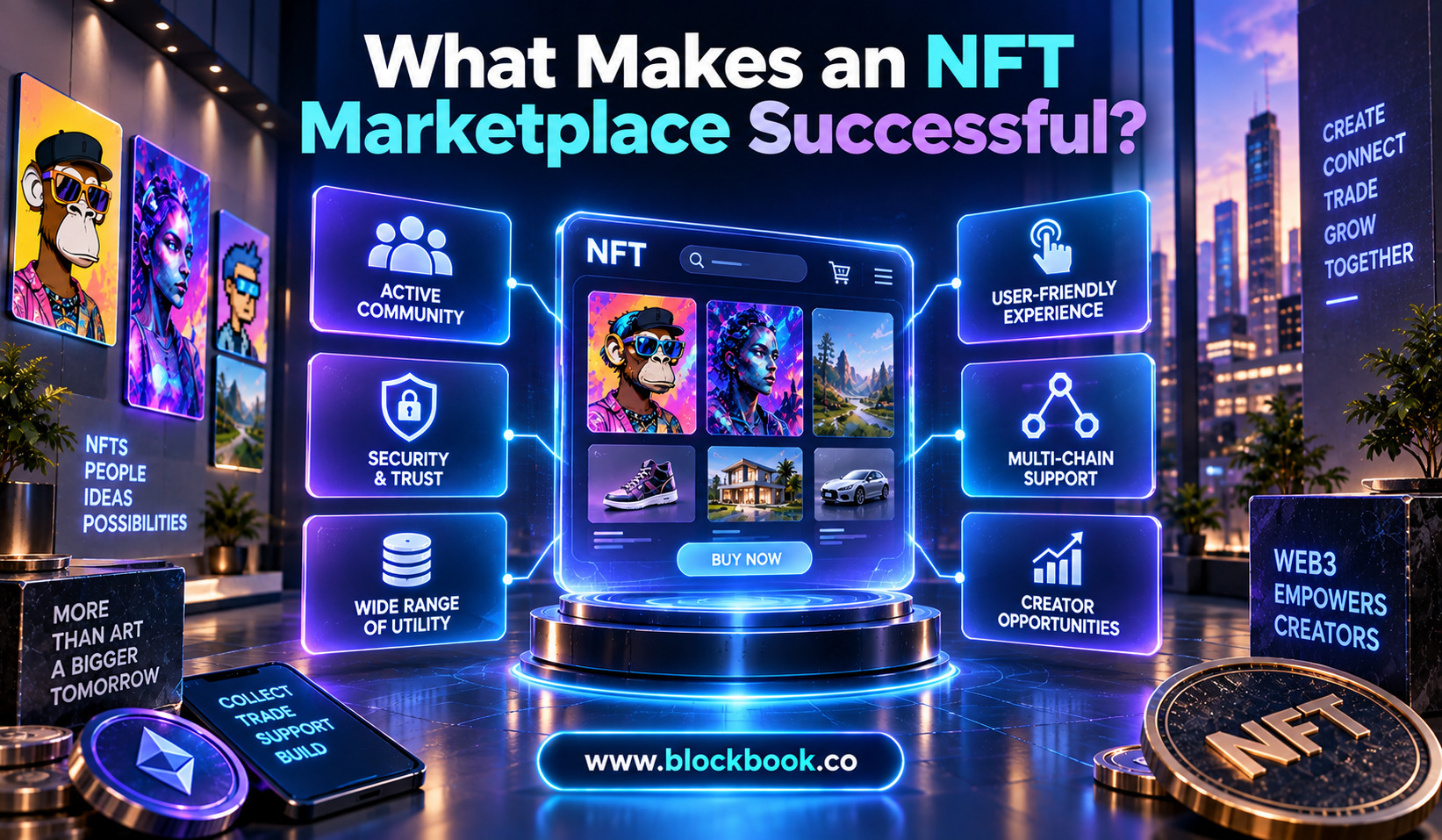
The NFT industry has changed significantly since digital collectibles first attracted mainstream attention. Today, NFT marketplaces are no longer competing only on the number of collections they list. Users are increasingly looking for platforms that offer reliable transactions, simple interfaces, strong security, useful discovery tools and access to digital assets with genuine value.
An NFT marketplace acts as a digital environment where users can discover, purchase, sell and sometimes mint non-fungible tokens. Behind the simple buying experience is a complex combination of blockchain infrastructure, smart contracts, wallets, payment systems, community features and marketplace policies.
As the Web3 ecosystem continues to mature, the success of an NFT marketplace is increasingly connected to the quality of the overall user experience. A platform may attract attention through a major collection or promotional campaign, but maintaining active users requires much more than temporary market excitement.
User Experience Is Becoming a Key Differentiator
One of the biggest factors influencing an NFT marketplace is how easy it is to use. Blockchain technology can be complicated for newcomers, particularly when users need to understand wallets, network fees, transactions and token standards.
A marketplace that makes these processes easier can reduce barriers to entry. Clear navigation, straightforward collection pages and transparent transaction information allow users to focus on the assets rather than the technical infrastructure behind them.
Mobile accessibility is also increasingly important. Many users expect to browse digital assets from smartphones and complete transactions without navigating complicated interfaces. Platforms that provide consistent experiences across devices can make participation more convenient.
The goal is not necessarily to hide blockchain technology completely, but to present it in a way that ordinary users can understand.
Security Builds Marketplace Trust
Security is fundamental to any platform handling digital assets. NFT marketplaces must protect users from unauthorized transactions, fraudulent collections, malicious contracts and account compromises.
Smart contracts are particularly important because they can control how NFT transactions and other blockchain interactions take place. Errors or vulnerabilities can potentially result in financial losses.
Marketplace security can involve several layers, including:
- Smart-contract security: Reviewing and testing contracts before deployment.
- Account protection: Providing strong wallet and authentication safeguards.
- Collection verification: Helping users distinguish legitimate projects from impersonators.
- Transaction transparency: Clearly displaying prices, fees and transaction information.
Security alone cannot eliminate every risk. Users can still lose assets through phishing attacks, compromised wallets or fraudulent links. However, a marketplace that prioritizes security can reduce avoidable risks and provide clearer information to users.
Liquidity and Active Buyers Matter
A marketplace needs active participants to remain useful. Buyers need enough listings to find assets that interest them, while sellers need access to potential buyers.
This creates a network effect. As more legitimate buyers and sellers participate, the platform can become more attractive to additional users. A marketplace with thousands of inactive listings may be less useful than one with a smaller but consistently active community.
Liquidity is particularly important for collections where users expect to trade assets regularly. If buyers cannot find suitable listings or sellers struggle to reach interested users, activity can decline.
For this reason, successful marketplaces often focus on building communities rather than simply increasing the number of listed NFTs.
Discovery Tools Help Users Navigate Large Collections
The growing size of the NFT ecosystem creates another challenge: discovery. With large numbers of collections and individual tokens available, users need effective ways to find relevant assets.
Search functions, filters, categories and ranking systems can make discovery easier. Users may want to sort assets by price, blockchain, collection, rarity or other characteristics.
Recommendation systems can also influence how users explore a marketplace. However, platforms need to balance personalization with transparency. Users should understand why particular collections or assets are being highlighted.
A clean discovery system can benefit both buyers and creators. Buyers spend less time searching, while legitimate projects gain an opportunity to reach relevant audiences.
Fees Can Influence User Behavior
Transaction costs are another major factor. NFT marketplaces can charge listing fees, marketplace fees, creator fees or other charges depending on their business model.
Users generally want to understand the total cost before confirming a transaction. Unexpected fees can create frustration and reduce confidence.
The underlying blockchain can also affect the cost of transactions. Networks with high fees may make smaller NFT purchases less practical, while lower-cost networks can support more frequent transactions.
Successful marketplaces therefore need to communicate fees clearly and design their pricing models around the behavior of their target users.
| Marketplace Factor | Why It Matters |
| User experience | Makes buying and selling easier |
| Security | Helps protect assets and accounts |
| Liquidity | Connects buyers and sellers |
| Discovery | Helps users find relevant NFTs |
| Fees | Influences transaction decisions |
| Community | Encourages repeat participation |
| Creator support | Helps attract quality projects |
Supporting NFT Creators
Creators are central to the marketplace ecosystem. Without artists, game developers, brands and other project teams, there would be fewer assets for users to discover.
Marketplace tools can make the experience easier for creators by providing collection-management features, analytics, minting options and promotional opportunities.
Creator-focused features can also help platforms differentiate themselves. A marketplace that supports emerging creators may attract new collections that bring their own communities.
The relationship between marketplaces and creators is particularly important as NFTs expand beyond artwork. Gaming assets, digital memberships, event tickets and brand-related digital products can all require different types of support.
Community Can Drive Long-Term Activity
NFTs have historically been closely connected to online communities. Buyers often purchase assets not only because of the token itself but also because they want to participate in a community surrounding a collection or project.
Marketplaces can encourage community interaction through collection pages, creator profiles, social features, activity feeds and educational content.
However, community growth needs to be genuine. Artificial engagement or aggressive promotional tactics may create short-term attention without producing sustainable participation.
A healthy marketplace community generally develops when users have reasons to return, whether they are discovering new projects, following creators, trading assets or participating in Web3 experiences.
Reputation and Verification Are Increasingly Important
The number of NFT collections makes verification a major challenge. Impersonation and misleading projects can make it difficult for inexperienced users to determine whether an asset is associated with the creator or organization it claims to represent.
Verification systems can help by identifying recognized collections and creator accounts. However, users should not interpret a platform badge as a guarantee of financial performance or investment value.
Clear marketplace policies around counterfeit collections, copyright disputes and fraudulent activity can also influence user confidence.
The ability to provide reliable information may become increasingly important as the NFT ecosystem expands into mainstream industries.
Blockchain Choice Can Affect Marketplace Performance
Different blockchains provide different technical characteristics. Transaction costs, transaction speeds, network activity and developer ecosystems can influence how an NFT marketplace operates.
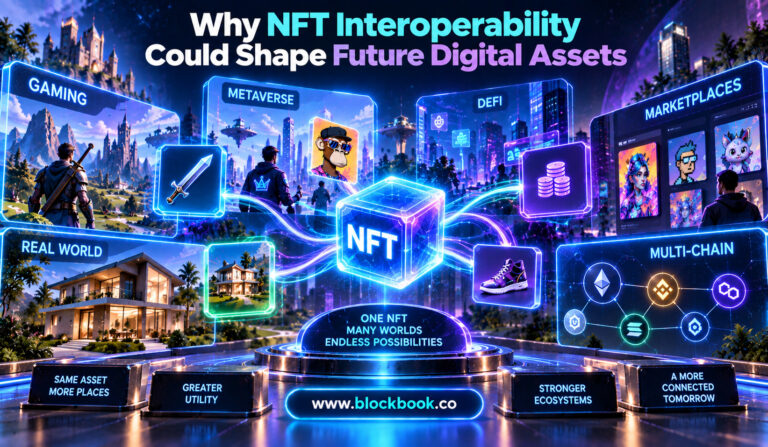
Some marketplaces focus on one blockchain, while others support multiple networks. Multi-chain functionality can increase the range of assets available to users, but it can also introduce additional technical complexity.
Cross-chain infrastructure may eventually make blockchain differences less visible to users. Until then, marketplaces must balance network support with usability and security.
Utility Is Changing What Users Expect
The definition of an NFT marketplace is also evolving because NFTs themselves are becoming more diverse.
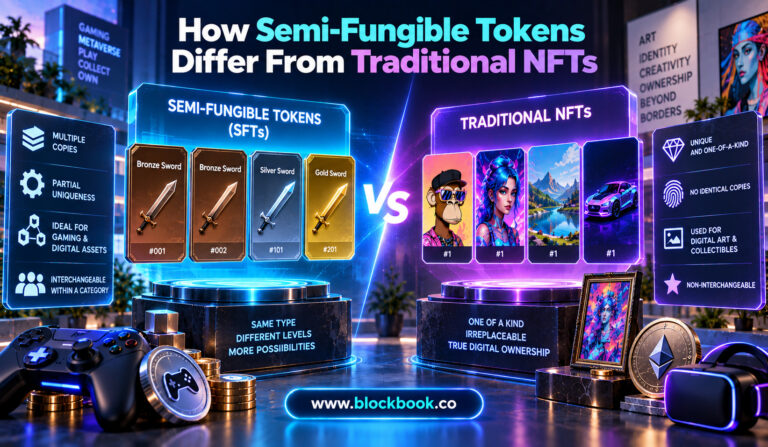
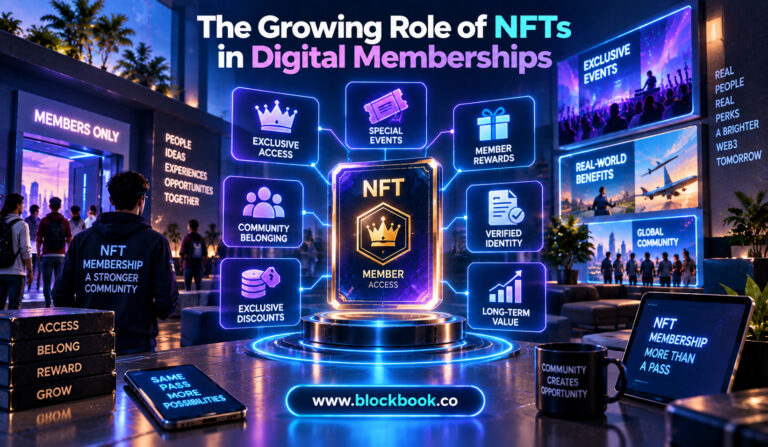
Digital artwork remains important, but NFTs can also represent gaming items, memberships, event access, loyalty rewards and digital credentials. This means marketplaces may need to provide more than simple buy-and-sell functionality.
For example, a gaming NFT marketplace may need to display information about how an asset works within a particular game. A membership-focused marketplace might need to explain what benefits token holders receive.
As utility becomes more important, marketplaces that provide detailed and understandable asset information can help users make better-informed decisions.
Four Elements That Can Strengthen an NFT Marketplace
Several factors can contribute to a marketplace’s ability to attract and retain users:
- Reliable infrastructure: Fast, stable and secure transaction systems can reduce friction.
- Strong discovery: Search, filtering and collection information help users navigate the ecosystem.
- Creator relationships: Tools and support can encourage creators to bring new projects to the platform.
- Transparent policies: Clear fees, verification practices and marketplace rules can improve user confidence.
These elements work together rather than independently. A marketplace may have excellent technology but struggle if users cannot find interesting collections. Similarly, strong collections may not be enough if the platform is difficult or expensive to use.
The Importance of Adaptability
The NFT market continues to change, which means marketplaces must be capable of adapting. Consumer preferences, blockchain technology and regulatory environments can evolve quickly.
A marketplace built entirely around one NFT trend may struggle when user behavior changes. Platforms with flexible infrastructure can potentially respond more effectively as new applications emerge.
The next generation of marketplaces could include more advanced identity systems, improved payment options, AI-assisted discovery, gaming integrations and connections between digital and physical products.
The challenge will be adding these features without making the user experience unnecessarily complicated.
Frequently Asked Questions
What is an NFT marketplace?
An NFT marketplace is a platform where users can discover, buy, sell or sometimes mint non-fungible tokens. NFTs can represent digital artwork, gaming assets, memberships, tickets and other unique digital items.
What makes an NFT marketplace successful?
Important factors include user experience, security, liquidity, transparent fees, effective discovery tools, creator support and an active community.
Why is security important for NFT marketplaces?
NFT marketplaces handle blockchain assets and transactions, making security essential for protecting users from scams, compromised accounts and vulnerable smart contracts.
Do low fees guarantee marketplace success?
No. Competitive fees can reduce transaction friction, but a marketplace also needs useful collections, active users, reliable infrastructure and strong security.
Why is NFT discovery important?
Large marketplaces can contain thousands of assets. Search, filters, categories and collection information help users find NFTs that match their interests.
About the Author