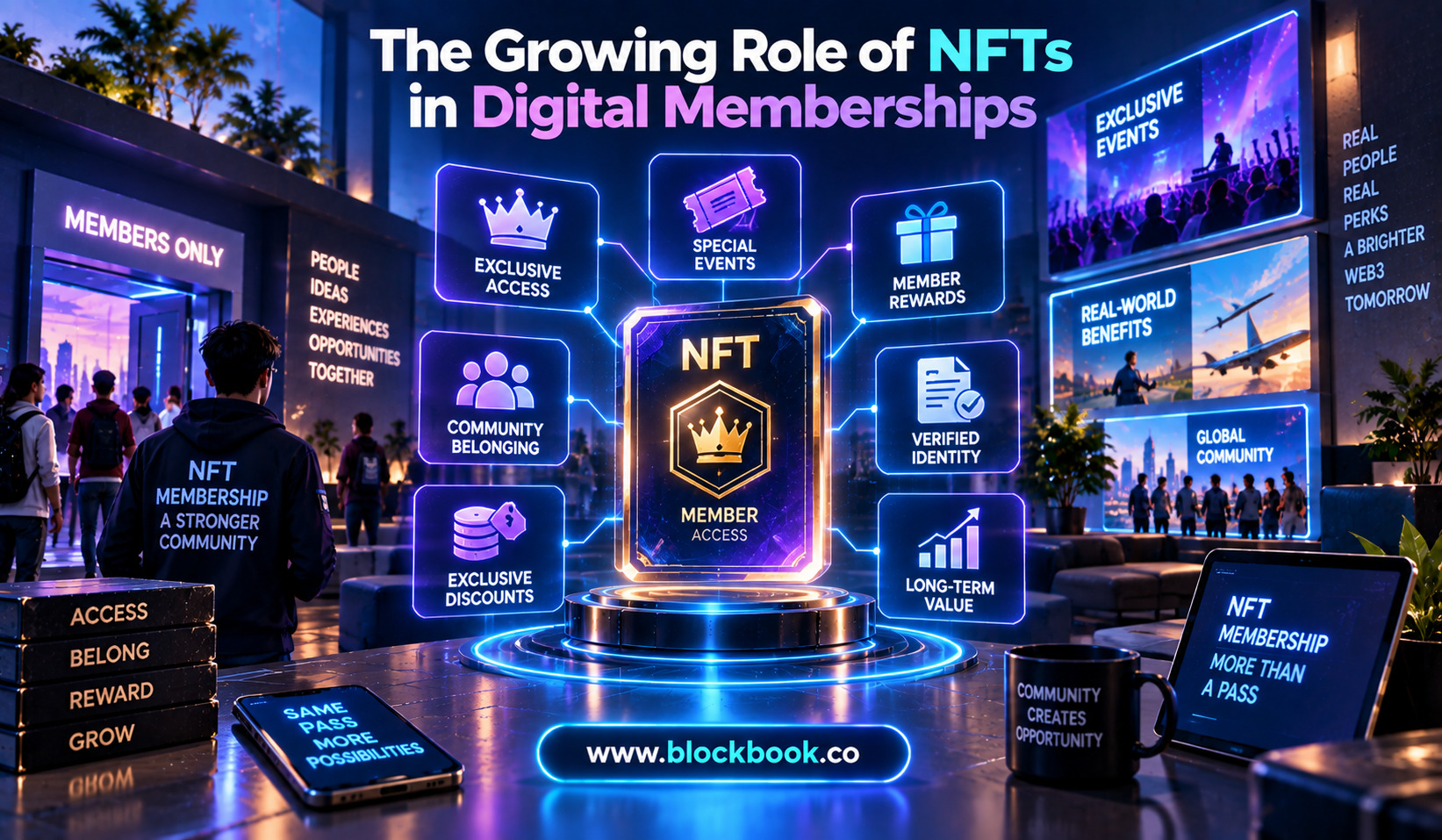
The concept of membership is changing as communities, brands and online platforms look for new ways to connect people with exclusive experiences. Traditionally, membership has been managed through physical cards, usernames, subscription accounts or email-based systems. The growth of blockchain technology has introduced another possibility: using non-fungible tokens, or NFTs, as digital membership credentials.
NFTs became widely known through digital art and collectibles, but their potential applications have expanded considerably. A membership NFT can function as a digital pass that provides access to a community, event, service, content library or other benefits. Unlike a conventional membership record stored entirely within a company’s database, the NFT can be held in a user’s blockchain wallet.
This development is contributing to a broader shift in how businesses and online communities think about digital ownership. Instead of simply paying for access, members can potentially hold a transferable digital credential that represents their relationship with an organization or community.
What Is an NFT Membership?
An NFT membership is a blockchain-based token designed to represent access or participation in a particular community, service or experience. The token itself can be unique or part of a defined collection, depending on how the membership program is structured.
When a user holds the required NFT, a website or application can verify ownership through a connected wallet. This can allow the platform to provide access without relying entirely on a conventional username-and-password system.
The benefits associated with the NFT depend on the organization issuing it. Some memberships may provide access to online communities, while others can be connected to events, merchandise, educational content or special offers.
The important point is that the NFT is not valuable simply because it exists on a blockchain. Its usefulness depends on the benefits attached to membership.
Why Businesses Are Exploring NFT Memberships
Businesses are increasingly interested in digital communities and loyalty programs. Traditional loyalty systems often rely on centralized databases controlled by a single company. NFT memberships introduce an alternative structure in which users can hold a blockchain-based credential.
This can potentially make membership more portable. If an NFT is transferable, a member may be able to move it between compatible wallets without asking the organization to update an internal account.
For businesses, the model can also create new ways to engage with customers. A membership NFT can be connected to digital experiences while also functioning as a recognizable community asset.
However, businesses need to consider whether blockchain actually improves their particular membership model. Adding NFTs simply for marketing purposes may not provide meaningful benefits.
Digital Communities and Exclusive Access
Online communities are one of the most visible applications of NFT memberships. A token can act as a digital key that allows holders to enter private channels, forums or virtual spaces.
This model can change how communities organize access. Instead of manually checking usernames, administrators can use wallet verification to determine whether someone holds a qualifying NFT.
Membership can also be structured into different levels. For example, separate NFT collections could represent different tiers with different benefits. A higher-tier token might provide access to additional events or exclusive content.
Such systems can encourage community participation, but the success of a membership program still depends on the quality of the community itself. A token cannot create a valuable experience without useful content, active members and meaningful benefits.
NFTs and Event Memberships
Events are another area where NFT memberships can have practical applications. Conferences, entertainment events, clubs and other organizations can use tokens as digital credentials.
An NFT could provide access to a specific event while remaining in the user’s wallet as a record of participation. Organizers could potentially use the same token to provide follow-up benefits after the event.
For example, an event membership could unlock digital recordings, future discounts or invitations to private sessions. This creates a longer relationship between the organizer and participant instead of limiting the ticket to a single entry transaction.
The model also provides an opportunity to combine ticketing with digital collectibles. A membership credential can have both functional and collectible characteristics.
NFT Memberships Compared With Traditional Memberships
| Feature | Traditional Membership | NFT Membership |
| Membership record | Usually stored by organization | Can be represented on blockchain |
| Access verification | Account, card or database | Wallet and token verification |
| Transferability | Usually restricted | Potentially transferable |
| Digital ownership | Controlled by service provider | Token held by member |
| Community benefits | Defined by organization | Can be linked to token ownership |
| Blockchain required | No | Yes |
The comparison shows that NFT memberships offer different technical possibilities, but they are not automatically superior to traditional membership systems. Each approach has advantages depending on the organization’s needs.
Loyalty Programs Are Exploring New Models
Customer loyalty is another area where NFT membership concepts could develop. Conventional loyalty programs usually provide points that remain inside a company’s system. Customers may be unable to transfer or use those points outside the program.
NFT-based loyalty systems can potentially provide a different model. A company could issue digital tokens representing membership status, participation or special rewards.
For example, a customer could receive a digital token after reaching a particular loyalty level. The token might unlock access to special products or experiences.
This approach can also make loyalty programs more community-oriented. Members may be able to display their digital credentials while participating in online communities associated with a brand.
However, companies must ensure that the benefits are understandable. Customers are unlikely to value a complicated blockchain system if it does not improve the experience they already receive.
Four Potential Uses of NFT Memberships
NFT memberships are being explored for several types of experiences:
- Private communities: NFTs can verify access to exclusive online groups and digital spaces.
- Events: Membership tokens can provide entry while creating a lasting digital record of participation.
- Brand loyalty: Tokens can represent loyalty levels and unlock selected rewards or experiences.
- Exclusive content: NFT holders can receive access to digital material, educational resources or special releases.
These applications demonstrate the flexibility of NFT-based memberships, although the exact functionality depends on the platform and its implementation.
The Role of Digital Ownership
One of the main differences between NFT memberships and conventional digital memberships is the concept of ownership.
A traditional subscription typically gives a customer access for a specified period. Once the subscription ends, access is removed. An NFT can instead represent a digital asset held in the user’s wallet.
This distinction becomes especially interesting when the token is transferable. A user could potentially sell or transfer the membership according to the rules established by the issuer.
Transferability can create a secondary market, but it can also introduce challenges. Organizations may want to restrict transfers, prevent abuse or ensure that benefits remain tied to the original purchaser.
As a result, businesses need to carefully define what ownership means within their membership programs.
Privacy and Security Remain Important
NFT membership systems also raise privacy and security questions. Blockchain transactions are generally visible on public networks, which means organizations need to think carefully about what information is connected to membership tokens.
Sensitive personal information should not simply be placed on a public blockchain. Many projects can separate the membership credential from private user data.
Security is equally important. If a user loses access to their wallet, they may also lose access to the NFT and associated benefits. Phishing attacks and malicious websites can create additional risks.
A successful membership system therefore needs strong security practices and simple recovery or support procedures.
User Experience Could Determine Adoption
One of the biggest obstacles to mainstream NFT memberships is complexity. Many consumers understand subscriptions, loyalty cards and event tickets, but blockchain wallets can be unfamiliar.
Businesses therefore need to make the experience as straightforward as possible. Users should understand how to obtain the membership, how to verify ownership and how to access the associated benefits.
Some organizations may choose systems that hide much of the blockchain complexity from customers. This can allow users to benefit from NFT infrastructure without needing extensive knowledge of cryptocurrency or blockchain technology.
The easier the process becomes, the more realistic NFT memberships may become for mainstream audiences.
Utility Is More Important Than the Token
The long-term potential of NFT memberships depends heavily on utility. A token with no meaningful benefits is unlikely to create a strong membership ecosystem.
Useful memberships can give holders practical reasons to return. Access to events, communities, products, educational resources or other experiences can create ongoing engagement.
This also changes how companies market NFT memberships. Instead of focusing only on scarcity or resale value, organizations can emphasize the actual experience associated with ownership.
The strongest models may combine digital ownership with real benefits, creating a relationship that continues after the initial NFT purchase.
Challenges for Businesses
Businesses considering NFT memberships need to evaluate several factors before launching. Blockchain fees, wallet accessibility, regulatory considerations and technical support can all affect the customer experience.
Companies also need to determine what happens if the NFT platform changes or shuts down. A membership program should have a clear strategy for maintaining access to benefits over time.
There is also a reputational consideration. The term NFT still carries different associations among consumers. Some users may see blockchain memberships as innovative, while others may prefer conventional systems.
Businesses will therefore need to demonstrate practical value rather than assuming that blockchain technology alone will attract customers.
The Future of NFT Memberships
NFT memberships could become part of a broader movement toward user-owned digital credentials. As online communities, brands and entertainment platforms continue experimenting with digital ownership, tokens may provide another method of managing access.
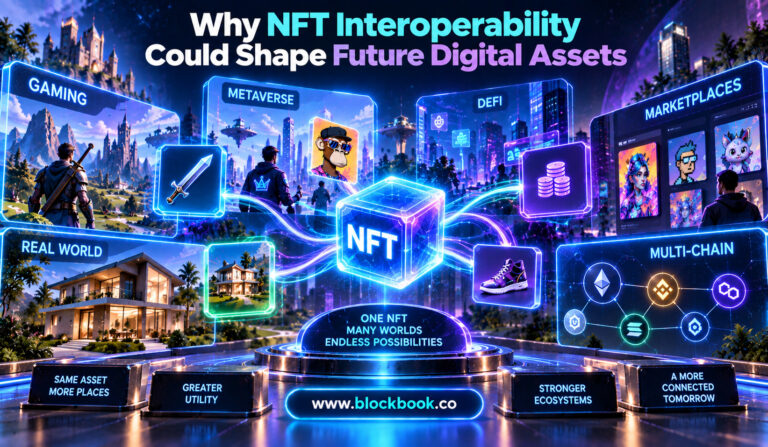
Future membership systems could combine NFTs with loyalty programs, event participation, gaming communities and digital content. A single credential might eventually provide access across multiple compatible services.
However, widespread adoption will depend on simplicity, security and usefulness. Consumers do not necessarily need to understand the underlying blockchain infrastructure; they need to understand what they receive as members.
Frequently Asked Questions
What is an NFT membership?
An NFT membership is a blockchain-based token that represents access to a community, service, event, content platform or other membership benefit.
How do NFT memberships work?
A user holds an NFT in a compatible blockchain wallet. A website or application can verify ownership and provide access to the benefits connected with that token.
Can NFT memberships be transferred?
Some NFT memberships can be transferred, depending on the rules established by the issuer. Others may have restrictions designed to keep membership tied to a specific user.
Are NFT memberships the same as subscriptions?
Not necessarily. A subscription usually provides access for a defined period, while an NFT membership can represent a blockchain-based credential that may have additional ownership or transfer characteristics.
Can brands use NFTs for loyalty programs?
Yes. Brands can experiment with NFTs as digital loyalty credentials, membership levels or rewards that unlock selected products and experiences.
About the Author