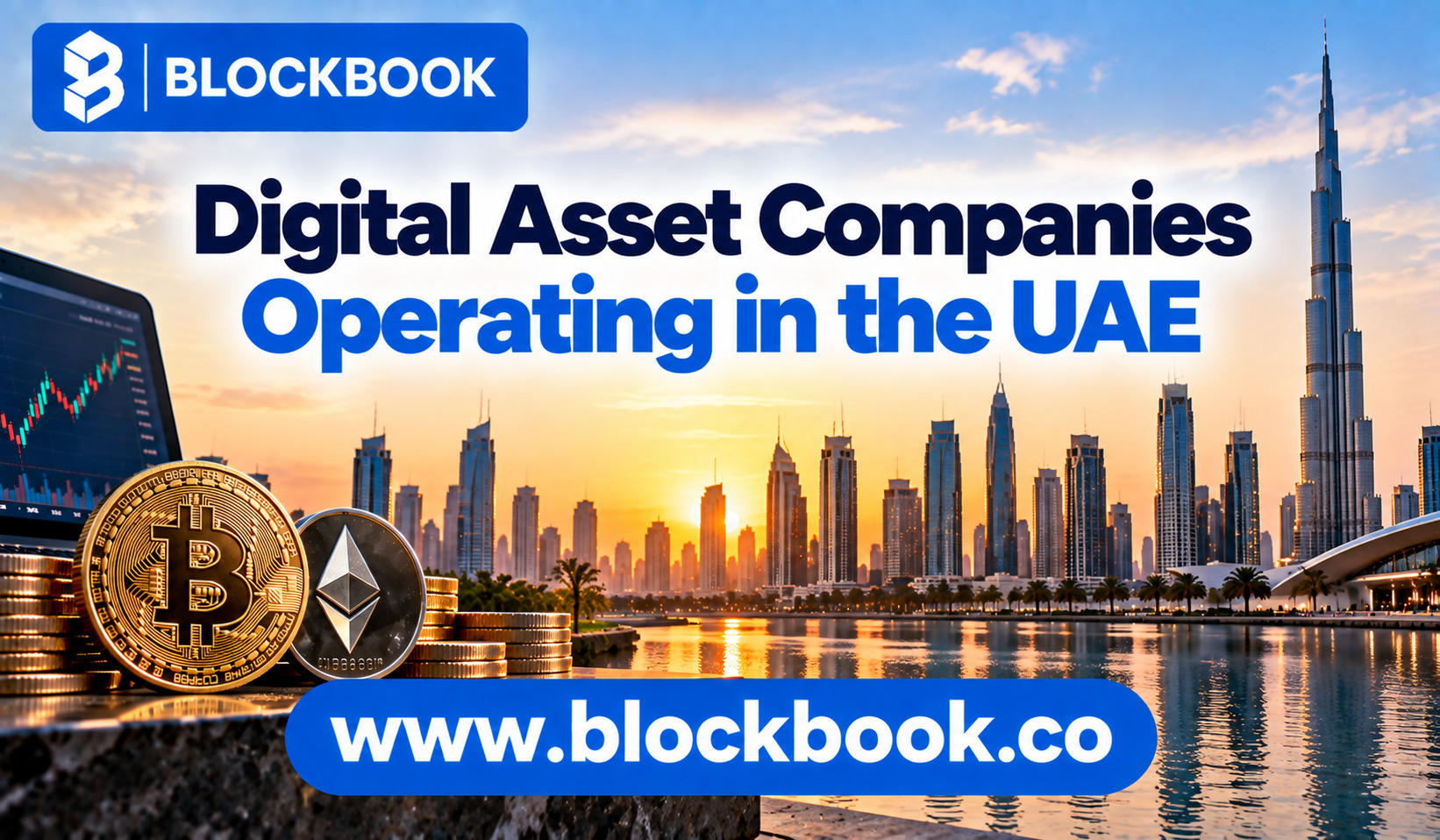
The United Arab Emirates has become an important destination for cryptocurrency, blockchain, and digital asset businesses. Dubai and Abu Dhabi have developed dedicated financial and regulatory environments for companies working with virtual assets, attracting international exchanges, custody providers, investment firms, and blockchain businesses.
The UAE’s digital asset industry is broader than cryptocurrency trading. It includes exchanges, broker-dealers, institutional custody, investment management, tokenization, lending, blockchain infrastructure, and financial technology.
Dubai has its own Virtual Assets Regulatory Authority, known as VARA, while Abu Dhabi Global Market has a separate regulatory framework through the Financial Services Regulatory Authority. This means companies operating in different parts of the UAE can fall under different regulatory systems.
For users and businesses, this makes the UAE an interesting market for digital assets. At the same time, understanding which company provides a service and which regulator oversees that activity is important when choosing a platform.
Why the UAE Is Attracting Digital Asset Companies
The UAE has built a business environment designed to attract financial technology and digital asset companies. Dubai, in particular, has positioned itself as an international hub for virtual assets, while Abu Dhabi has developed a strong institutional and financial-services ecosystem.
Several factors have contributed to the growth of the sector, including:
- Access to international financial and business markets
- Dedicated virtual asset regulatory frameworks
- Growing interest in blockchain and tokenization
- Strong financial technology and investment infrastructure
The result is an ecosystem containing both large international crypto companies and specialized regional businesses.
1. Binance
Binance is one of the world’s largest cryptocurrency companies and has developed a significant presence in Dubai.
Its UAE operation, Binance FZE, appears on VARA’s public register with authorization covering broker-dealer services, exchange services, management and investment services, lending and borrowing, and related activities under its licence.
The company provides a broad range of digital asset services, making it relevant to both retail and professional users.
Its Dubai presence also reflects the UAE’s importance as a regional base for international cryptocurrency companies. However, users should distinguish between Binance’s global services and the specific products permitted through its UAE-regulated entity.
2. OKX
OKX is another major international digital asset company operating in Dubai.
OKX Middle East Fintech FZE holds a VARA licence covering several activities, including exchange services, broker-dealer services, management and investment services, and lending and borrowing.
The platform is known for offering advanced cryptocurrency trading tools and a wider Web3 ecosystem.
Its UAE operation is particularly relevant to experienced users and professional market participants who require more than basic cryptocurrency buying and selling.
The company’s regulated presence in Dubai also illustrates how international exchanges are adapting their businesses to local virtual asset regulations.
3. Crypto.com
Crypto.com has established a substantial presence in the UAE through its Dubai-based operation, Foris DAX Middle East FZE.
The company provides cryptocurrency trading and other digital asset services, including products aimed at retail and professional users.
Its VARA licence covers broker-dealer services, exchange services, management and investment services, and lending and borrowing.
Crypto.com’s broad international ecosystem allows it to connect its UAE operations with services available across other markets, although the exact products offered to UAE customers can vary according to local regulations.
4. BitOasis
BitOasis is one of the most recognizable cryptocurrency companies to emerge from the Middle East.
The platform was founded in the region and has built a strong connection with the UAE’s digital asset market. It focuses on cryptocurrency trading and related services for customers in the Middle East and surrounding markets.
BitOasis Technologies FZE holds a VARA licence for broker-dealer services.
Its regional background gives it a different position from global exchanges entering the UAE. The company has experience serving customers in markets where local currency, payment systems, and regulatory requirements can differ from those in Europe or North America.
5. Deribit
Deribit is a major cryptocurrency derivatives platform that has established operations in Dubai.
The company is particularly known for cryptocurrency options and derivatives trading rather than basic spot purchases.
Deribit FZE appears in VARA’s register with authorization covering exchange services, including exchange-traded derivative services, and broker-dealer activities.
Its presence highlights the growing importance of professional digital asset markets in the UAE. Derivatives require specialized infrastructure, risk management, and trading systems, making this part of the crypto industry significantly different from ordinary retail exchange services.
6. HashKey MENA
HashKey is a digital asset financial services group with operations across Asia and the Middle East.
HashKey MENA FZE holds a VARA licence covering broker-dealer and exchange services, including exchange-traded derivative services.
The company has focused on regulated digital asset infrastructure and institutional participation.
Its UAE operation adds another international financial technology business to Dubai’s growing digital asset ecosystem and reflects the increasing connection between Asian and Middle Eastern crypto markets.
7. Bitpanda
Bitpanda has expanded its presence in the UAE through separate businesses covering brokerage and custody services.
Bitpanda Broker MENA is licensed for broker-dealer activities, while Bitpanda Custody MENA holds a licence for custody services, including custodial staking.
This separation illustrates how digital asset businesses are becoming more specialized. Trading and brokerage require different systems from institutional custody, where security and asset protection are central concerns.
Bitpanda’s expansion into the UAE also demonstrates the country’s growing importance as a market for European digital asset companies.
8. BitGo
BitGo is particularly important on the institutional side of the UAE’s digital asset market.
The company provides custody and digital asset infrastructure for professional customers. Its UAE operations include separate VARA-licensed entities covering custody and broker-dealer services.
Institutional custody is different from ordinary exchange trading. Large investors may require secure storage, transaction controls, reporting, asset segregation, and operational safeguards.
BitGo’s presence in the UAE therefore reflects the growing demand for professional digital asset infrastructure rather than simply retail cryptocurrency trading.
9. Hex Trust
Hex Trust is a digital asset custody company serving institutional customers.
Its UAE operation, Hex Trust MENA FZE, holds a VARA licence for custody services.
Custody has become an increasingly important part of the digital asset industry because banks, investment firms, funds, and corporations often need professional systems for holding digital assets.
Companies such as Hex Trust provide infrastructure that can help institutions participate in digital asset markets without managing every aspect of blockchain security internally.
10. Mantra Finance
Mantra Finance represents the growing connection between digital assets and tokenization.
The company has developed technology around tokenized real-world assets and blockchain-based financial services.
Its VARA licence covers exchange services, broker-dealer services, and management and investment services.
Tokenization involves creating blockchain-based representations of assets or financial interests. It has attracted interest from financial institutions because blockchain networks can potentially provide new ways to issue, transfer, and manage assets.
Mantra’s presence demonstrates that the UAE’s digital asset sector is moving beyond cryptocurrency exchanges into broader blockchain-based financial applications.
Comparing Digital Asset Companies in the UAE
Different companies serve very different parts of the market. Retail users may look for exchanges and brokerages, while institutions may need custody, derivatives, investment management, or tokenization services.
| Company | Main Area | UAE Regulatory Focus |
| Binance | Exchange and digital assets | Trading and financial services |
| OKX | Exchange and Web3 | Trading and investment services |
| Crypto.com | Exchange and digital assets | Trading and financial services |
| BitOasis | Crypto trading | Broker-dealer services |
| Deribit | Crypto derivatives | Exchange and derivatives |
| HashKey MENA | Trading and institutional services | Exchange and broker-dealer |
| Bitpanda | Brokerage and custody | Brokerage and custody |
| BitGo | Institutional infrastructure | Custody and broker-dealer |
| Hex Trust | Digital asset custody | Institutional custody |
| Mantra Finance | Tokenization and digital assets | Exchange, brokerage and investment |
Licences cover specific activities, so users should not assume that a company’s licence permits every crypto-related service it may offer elsewhere.
UAE Regulation of Digital Asset Companies
Regulation is one of the most important parts of the UAE’s digital asset industry.
Dubai has established VARA as its dedicated virtual asset regulator, while Abu Dhabi Global Market has its own regulatory framework for virtual assets.
VARA identifies several regulated activities, including broker-dealer services, exchange services, custody, lending and borrowing, management and investment, advisory services, transfer and settlement, and certain virtual asset issuance activities.
Companies seeking to conduct regulated virtual asset activities in Dubai generally need to obtain the appropriate VARA licence before beginning those activities.
This structure means that users should check the exact licence held by a company rather than simply looking for a general statement that the company is “regulated.”
Digital Asset Custody in the UAE
Custody is becoming increasingly important as institutional participation in cryptocurrency grows.
A custody provider is responsible for securely holding digital assets and managing the systems needed to authorize transactions.
Institutional customers may require:
- Secure storage and key management
- Transaction approval controls
- Asset reporting and reconciliation
- Institutional account management
The UAE’s growing group of licensed custody providers shows that the market is developing beyond exchanges and retail trading.
Tokenization and the UAE Market
Tokenization is another area attracting attention in the UAE.
The basic idea is to represent assets or financial interests using blockchain-based tokens. These could potentially include real estate interests, financial instruments, commodities, or other forms of value.
The UAE’s established financial sector creates opportunities for blockchain companies to work with banks, investment firms, property businesses, and other organizations.
As regulatory frameworks develop, tokenization could become an increasingly important part of the country’s digital asset industry.
Security and Compliance
Digital asset companies operating in the UAE need to manage several types of risk.
Cybersecurity is particularly important because crypto businesses can hold valuable digital assets and sensitive customer information. Strong custody systems, account protection, transaction monitoring, and internal controls are therefore essential.
Compliance is equally important. Companies may need systems for customer identification, transaction monitoring, anti-money-laundering controls, and other regulatory requirements.
For users, choosing a regulated provider can provide greater transparency about the company’s permitted activities, but regulation does not eliminate market or investment risk.
The Future of Digital Assets in the UAE
The UAE’s digital asset industry is likely to continue expanding beyond traditional cryptocurrency trading.
Exchanges will remain an important part of the market, but institutional custody, tokenization, stablecoins, blockchain payments, derivatives, and digital investment products could become increasingly significant.
The growing number of licensed providers also suggests that the market is becoming more specialized. Instead of one company providing every possible crypto service, different businesses may focus on trading, custody, investment management, tokenization, or infrastructure.
The UAE’s position between major financial markets in Asia, Europe, and the Middle East gives digital asset companies access to a broad international business environment.
As regulation develops, companies will need to balance innovation with security, compliance, consumer protection, and sustainable business practices.
For users and businesses, the UAE could continue to provide a growing range of regulated digital asset services while becoming an important regional center for blockchain-based financial innovation.
Frequently Asked Questions
1. What are some major digital asset companies operating in the UAE?
Major companies include Binance, OKX, Crypto.com, BitOasis, Deribit, HashKey MENA, Bitpanda, BitGo, Hex Trust, and Mantra Finance.
2. Who regulates digital asset companies in Dubai?
Dubai’s virtual asset sector is regulated by the Virtual Assets Regulatory Authority, commonly known as VARA. Companies conducting regulated virtual asset activities in Dubai generally need the appropriate VARA licence.
3. Are all crypto services in the UAE regulated by the same authority?
No. The UAE has different regulatory frameworks and authorities. Dubai has VARA, Abu Dhabi Global Market has its own financial regulator, and other jurisdictions can have different requirements.
4. What should businesses check before using a UAE digital asset company?
Businesses should check the company’s legal entity, regulator, current licence status, specific licensed activities, custody arrangements, fees, security procedures, and the products available to their particular type of customer.
5. Is the UAE becoming a major digital asset hub?
The UAE has attracted a growing number of cryptocurrency exchanges, custody providers, investment companies, and blockchain businesses. Its dedicated regulatory frameworks and international financial connections have contributed to the development of its digital asset ecosystem.
About the Author