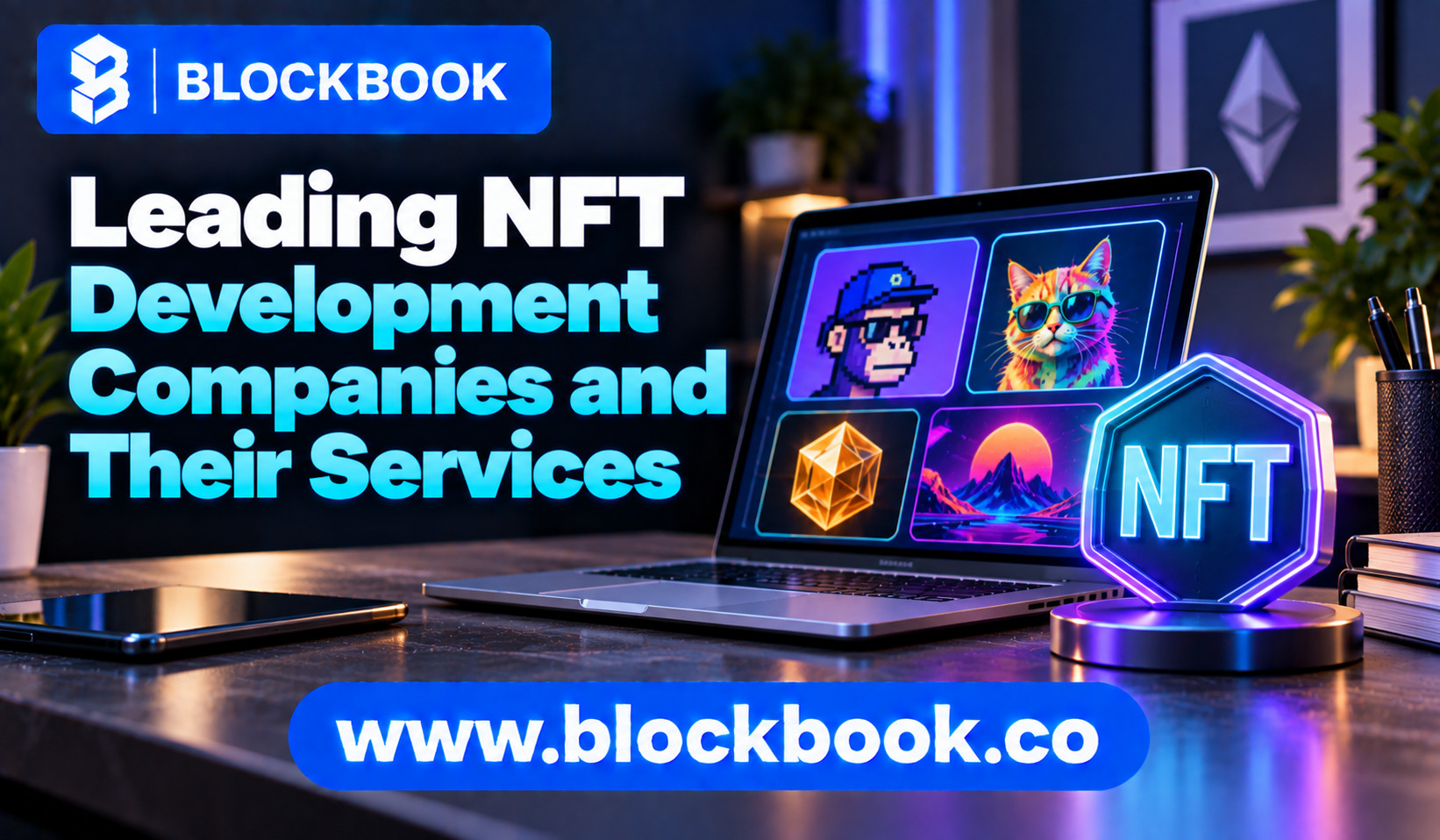
Non-fungible tokens, commonly known as NFTs, have developed into a broader digital asset technology rather than remaining limited to digital artwork. Businesses are exploring NFTs for gaming items, memberships, collectibles, event tickets, intellectual property, loyalty programs, entertainment, and tokenized assets.
Building an NFT product requires more than creating a digital token. A complete NFT project may need smart contracts, a marketplace, wallet connections, payment systems, metadata storage, user accounts, security controls, and an easy-to-use interface. This is why businesses often work with specialized NFT development companies.
NFT development companies help startups, brands, creators, gaming businesses, financial companies, and other organizations turn NFT concepts into working products. Their services can range from NFT collection creation and minting platforms to complete marketplaces and enterprise blockchain applications.
The market includes full-service blockchain development firms, Web3 agencies, smart contract specialists, and companies focused specifically on NFT platforms.
What Do NFT Development Companies Do?
An NFT development company creates the technical infrastructure required to issue, manage, display, buy, sell, or transfer NFTs.
The work usually starts with understanding the business purpose of the NFT project. A gaming company may need NFTs representing in-game assets, while a fashion brand may want digital collectibles connected to physical products.
The development team then selects suitable blockchain technology, designs smart contracts, builds the application, connects wallets, and creates the systems required to manage NFT information.
Common services include:
- NFT marketplace development
- NFT minting and smart contract development
- Wallet and blockchain integration
- NFT gaming and metaverse development
The exact services differ between providers. Some companies focus heavily on technical development, while others also provide consulting, design, marketing, or post-launch support.
Why Businesses Hire NFT Development Companies
NFT projects can involve several technical components that are difficult for a conventional software team to manage without blockchain experience.
A development company can provide specialists who understand smart contracts, blockchain networks, digital wallets, token standards, decentralized applications, and Web3 infrastructure.
Businesses may also benefit from an agency’s previous experience with similar projects. This can help identify technical requirements earlier and reduce the need to build every component from scratch.
For a startup, outsourcing NFT development can also allow the internal team to concentrate on the business model, community, partnerships, and customer experience.
Nadcab Labs
Nadcab Labs is a blockchain development company offering NFT-related services such as marketplace development, smart contracts, token creation, multi-chain integration, decentralized applications, and wallet integration.
Its NFT development work covers multiple blockchain ecosystems, including Ethereum, Polygon, Solana, and BNB Chain. This type of multi-chain capability can be useful for businesses that want flexibility when selecting the network for their NFT project.
The company’s services also extend beyond NFT development into wider blockchain and Web3 solutions.
For businesses looking for a development partner that can handle several parts of a digital asset platform, a broader blockchain development provider can be useful.
LeewayHertz
LeewayHertz is a blockchain development company that works on NFT platforms, tokenization, Web3 applications, and enterprise blockchain solutions.
Its NFT services can include marketplace development, smart contracts, NFT staking systems, and related Web3 applications.
One area where a broad development company can be useful is integration. An NFT platform may need to work with mobile applications, websites, cloud services, databases, payment systems, and existing business software.
A provider with experience across multiple technologies can help connect these components into one product.
PixelPlex
PixelPlex provides blockchain consulting and development services, including custom NFT marketplace solutions.
Its work can involve NFT marketplaces, tokenization, fractional ownership, and applications connecting NFTs with other blockchain-based financial technologies.
This can be relevant for businesses that want NFTs to serve a specific commercial purpose rather than simply functioning as collectibles.
Custom development is particularly useful when an organization needs features that are not available in standard marketplace software.
Webisoft
Webisoft is another company operating in blockchain and Web3 development. Its services include NFT marketplace development, consulting, and related digital asset solutions.
NFT marketplaces can require several components beyond the basic buying and selling interface. They may need minting functionality, auctions, royalties, wallet connections, search systems, user profiles, transaction records, and administrative dashboards.
A development company can build these components according to the requirements of a specific business.
Hyperlink InfoSystem
Hyperlink InfoSystem provides blockchain and NFT development services and has worked across areas involving Web3, artificial intelligence, augmented reality, and virtual reality.
This combination can be relevant for businesses creating immersive NFT experiences.
For example, an NFT project could combine digital ownership with an interactive application or virtual environment. The NFT would then become one part of a larger digital experience rather than the entire product.
This illustrates how NFT development is increasingly connected with other emerging technologies.
Technoloader
Technoloader provides blockchain and NFT development services, including marketplace and Web3 solutions.
Its offerings include white-label NFT platforms and development services designed to help businesses launch digital asset products.
White-label solutions can reduce development time because some of the basic marketplace infrastructure already exists. Businesses can then customize the product around their brand and requirements.
However, companies should examine how much customization is available before choosing a prebuilt solution.
HashCash Consultants
HashCash Consultants works across blockchain development, digital assets, tokenization, and enterprise technology.
Its NFT-related services can be relevant to organizations that want to connect NFTs with broader blockchain systems.
Enterprise NFT projects may involve more complicated requirements than consumer collectible platforms. They may need integration with financial systems, identity services, asset management tools, and internal databases.
A broader blockchain development provider can be useful when NFTs are only one part of a larger digital transformation project.
NFT Development Services Explained
NFT Minting Platforms
Minting is the process of creating an NFT on a blockchain network.
Development companies can create custom minting platforms where businesses or creators upload digital assets, add metadata, set collection rules, and create tokens.
A minting platform can be designed for public collections, limited releases, membership programs, gaming assets, or other applications.
NFT Marketplace Development
An NFT marketplace allows users to discover, purchase, sell, transfer, or auction digital assets.
A marketplace may include:
- NFT listing and search features
- Auctions and fixed-price sales
- Wallet connections
- Royalty and payment systems
The development company also needs to create the smart contracts and backend systems that support these functions.
NFT Gaming Development
Gaming is another important NFT application.
NFTs can represent characters, equipment, land, collectibles, or other digital items. Development companies can connect blockchain assets with game engines and player accounts.
This requires expertise in both gaming and blockchain development. The game itself still needs to provide an enjoyable experience, while blockchain functionality should work without creating unnecessary complexity for players.
Comparing NFT Development Companies
Different providers have different areas of focus.
| Company | Main NFT Focus | Other Relevant Services |
| Nadcab Labs | NFT marketplaces and multi-chain solutions | Smart contracts, Web3, tokenization |
| LeewayHertz | NFT platforms and enterprise solutions | Blockchain, AI, Web3 |
| PixelPlex | Custom NFT marketplaces | Tokenization, blockchain consulting |
| Webisoft | NFT marketplace development | Consulting and Web3 development |
| Hyperlink InfoSystem | NFT and immersive applications | AR, VR, AI, blockchain |
| Technoloader | NFT platforms and white-label solutions | Web3 and gaming |
| HashCash Consultants | Enterprise digital assets | Blockchain and tokenization |
This comparison is descriptive rather than a ranking. The appropriate provider depends on the project’s technical requirements, budget, blockchain choice, and business model.
Choosing the Right Blockchain for an NFT Project
Blockchain selection is an important early decision.
Ethereum has a large developer ecosystem and established NFT standards. Other networks may offer different combinations of transaction costs, speed, scalability, and development tools.
A business should consider where its target users are active and what type of transactions the product will require.
For example, a high-volume gaming application may have different requirements from a limited-edition digital collectible platform.
Development companies can help compare available networks, but the final choice should be based on the project’s specific needs rather than simply following the most popular option.
NFT Security and Smart Contracts
Security is one of the most important parts of NFT development.
NFT projects rely on smart contracts to define ownership, transfers, sales, royalties, and other functions. Poorly written contracts can create vulnerabilities or cause unexpected behavior.
Development companies should therefore use testing, code reviews, secure development practices, and appropriate contract audits.
Businesses should also consider wallet security, administrator permissions, user authentication, marketplace security, and protection of off-chain data.
Security needs to be considered throughout development instead of being treated as a final step.
NFT Development Beyond Digital Art
One of the biggest changes in the NFT market is the expansion beyond artwork.
Businesses can use NFTs for digital memberships, loyalty programs, event access, product authentication, gaming assets, creator communities, and digital credentials.
This makes NFT development relevant to a much wider range of industries.
For example, an event company could create digital tickets that provide access to an event and later become collectible items. A fashion brand could link an NFT to information about a physical product. A gaming company could create blockchain-based digital assets for players.
In each case, the NFT is useful because of the function attached to it rather than simply because it exists on a blockchain.
How to Choose an NFT Development Company
Businesses should start by defining what they want the NFT product to accomplish.
The development provider should have experience with the required blockchain network and similar types of projects. Previous marketplace, gaming, tokenization, or smart contract work can provide useful information about its capabilities.
Businesses should also examine:
- Technical experience and supported blockchain networks
- Smart contract testing and security practices
- Ability to integrate wallets and existing systems
- Maintenance and post-launch support
Clear communication is also important. The company should provide a detailed project scope that explains development stages, deliverables, testing, deployment, ownership, and ongoing maintenance.
The Future of NFT Development
NFT technology is likely to continue evolving beyond the early focus on collectible images.
Businesses are exploring tokenized memberships, digital identity, gaming assets, loyalty systems, event access, intellectual property, and connections between physical and digital products.
Development companies will also need to support more blockchain networks and improve the user experience. Many users do not want to manage complicated wallet processes or understand blockchain transactions before using a product.
This means future NFT applications may make blockchain functionality increasingly invisible. Users could interact with familiar websites and mobile applications while blockchain technology handles ownership and transaction records in the background.
Conclusion
NFT development companies are helping businesses build products around digital ownership, blockchain-based assets, and Web3 experiences. Their services can include smart contract development, minting platforms, marketplaces, gaming systems, wallet integration, tokenization, and enterprise blockchain solutions.
Companies such as Nadcab Labs, LeewayHertz, PixelPlex, Webisoft, Hyperlink InfoSystem, Technoloader, and HashCash Consultants represent different approaches within the NFT development market.
The right development partner depends on the project’s purpose, blockchain network, security requirements, user experience, budget, and long-term goals.
As NFTs continue moving into gaming, memberships, loyalty programs, events, tokenization, and digital commerce, development companies will remain an important part of building the technical infrastructure behind these applications.
FAQs
1. What does an NFT development company do?
An NFT development company builds the technology required to create, manage, buy, sell, and transfer NFTs. Services can include smart contracts, minting platforms, marketplaces, wallet integration, and NFT gaming solutions.
2. Which companies provide NFT development services?
Companies operating in the NFT development market include Nadcab Labs, LeewayHertz, PixelPlex, Webisoft, Hyperlink InfoSystem, Technoloader, HashCash Consultants, and many other blockchain development providers.
3. How much does NFT development cost?
The cost depends on the project’s complexity, blockchain network, marketplace features, smart contract requirements, security testing, design, integrations, and ongoing support. A simple collection can require much less development than a complete NFT marketplace.
4. Are NFTs only useful for digital artwork?
No. NFTs can also be used for gaming assets, memberships, event access, loyalty programs, product authentication, digital credentials, collectibles, and other applications involving digital ownership or access.
5. What should a business look for in an NFT development company?
Businesses should consider blockchain expertise, smart contract experience, security practices, previous NFT projects, marketplace capabilities, wallet integration, customization options, communication, pricing, and post-launch support.
About the Author