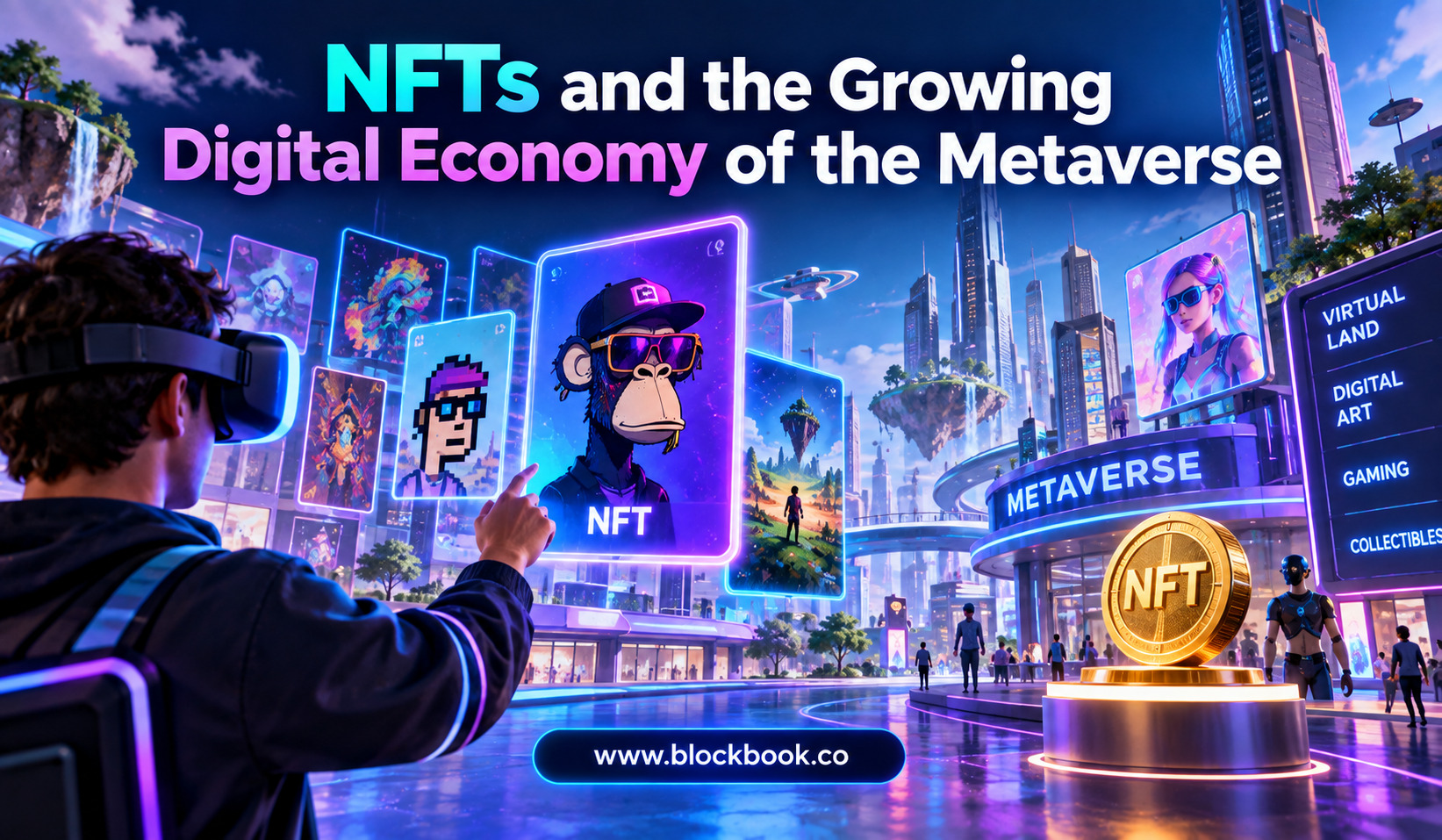
The development of virtual worlds is creating new conversations about how digital products can be owned, traded, and valued. Among the technologies connected to this shift, non-fungible tokens, commonly known as NFTs, have become an important part of the digital economy surrounding the metaverse.
NFTs are blockchain-based tokens designed to represent unique digital or physical-linked assets. In metaverse environments, they can be used to represent virtual collectibles, avatar accessories, digital artwork, virtual property, event passes, and other forms of digital ownership.
The relationship between NFTs and the metaverse continues to evolve. Not every virtual world uses NFTs, and owning an NFT does not automatically provide access to every virtual platform. However, blockchain-based assets can introduce a different model for recording ownership and enabling transactions in digital environments.
As developers build more sophisticated virtual spaces, NFTs could become part of broader digital economies involving creators, gamers, businesses, brands, and online communities.
What NFTs Bring to the Metaverse
Traditional virtual platforms usually maintain ownership records within their own databases. When a user purchases a digital item, the platform records the transaction and determines how that item can be used.
NFTs introduce blockchain-based ownership records. Instead of relying exclusively on a platform’s internal database, a blockchain can provide a publicly verifiable record associated with a token.
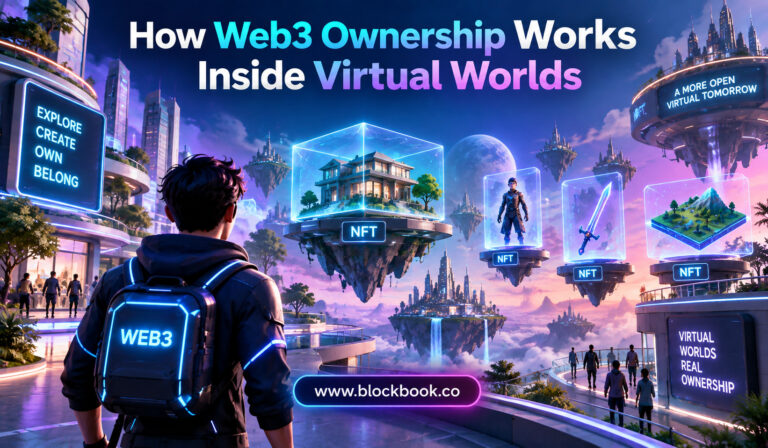
This distinction can be significant in virtual environments. A digital fashion item, for example, could be represented by an NFT and held in a user’s blockchain wallet. The asset may remain accessible independently of a particular marketplace, although actual use still depends on whether another platform supports it.
This creates the possibility of digital ownership becoming more portable, provided that platforms adopt compatible standards and technical systems.
NFTs and Virtual Goods
Virtual goods are already a major part of online gaming and digital communities. Users may purchase skins, costumes, accessories, collectibles, characters, and other items.
NFTs can add blockchain-based ownership and transferability to these products. Instead of treating an item as something that exists only inside one platform, developers can design it as a tokenized asset.
Potential NFT-based virtual goods include:
- Avatar clothing and accessories
- Digital artwork and collectibles
- Virtual land or property
- Event tickets and membership passes
The usefulness of these assets depends on the platform’s design. An NFT may represent ownership of a token while the associated image, 3D model, or other content is stored separately.
This is why users need to understand what an NFT actually represents before purchasing one.
The Rise of Digital Marketplaces
NFT marketplaces have created new channels for buying and selling digital assets. In a metaverse environment, these marketplaces can become part of a larger virtual economy.
A user could purchase a digital collectible, use it within a compatible virtual environment, and potentially transfer or sell it to another user. Smart contracts can automate certain aspects of these transactions according to predefined rules.
Marketplaces can also provide creators with a direct route to audiences. Artists and designers can produce digital products and make them available to communities without relying entirely on conventional distribution models.
However, digital marketplaces also face issues involving fraud, copyright, misleading claims, market manipulation, and asset authenticity. A blockchain record can verify that a particular wallet holds a token, but it does not automatically prove that the person who created the token owns the underlying intellectual property.
How NFTs Could Support Creator Economies
Creators are expected to remain an important part of the metaverse economy. Virtual environments require digital artists, 3D designers, musicians, game developers, architects, and content producers.
NFTs can provide a mechanism for turning certain digital creations into blockchain-based assets. A creator could release limited digital artwork, avatar accessories, virtual objects, or membership passes.
Smart contracts may also be designed to automate specific payments under predetermined conditions. The exact rights and payment mechanisms vary from project to project, so creators need to understand the terms attached to their digital assets.
The broader development could encourage new relationships between creators and audiences. Instead of producing content only for advertising-supported platforms, creators can experiment with direct digital commerce and community ownership models.
NFTs and Virtual Real Estate
Virtual land became one of the most visible NFT use cases connected with the metaverse. Some virtual platforms divide their digital environments into parcels that can be represented through blockchain tokens.
Owners may use these spaces for social experiences, games, virtual stores, exhibitions, or events, depending on the platform.
Virtual real estate should not be confused with physical property. Its value depends on the software platform, user activity, community interest, accessibility, and the rules established by the platform.
The market for virtual land can also be highly speculative. Prices can rise or fall depending on demand, and ownership of a token does not guarantee that a virtual location will retain its usefulness or value.
NFTs and Gaming Economies
Gaming is one of the areas where NFTs and virtual economies can intersect naturally. Games already contain digital inventories and marketplaces, making tokenized assets a potential extension of existing systems.
An NFT-based game might allow players to own selected items outside the game’s internal database. Depending on the design, these items could be traded or integrated into other compatible experiences.
However, blockchain gaming faces an important challenge: gameplay must remain engaging. Players may not want complicated wallet systems or transaction processes interfering with normal gaming.
Successful applications will likely need to make blockchain functionality simple and optional enough for users who are primarily interested in the experience.
Comparing Traditional Digital Assets With NFTs
The following comparison illustrates some general differences between conventional platform-based digital goods and blockchain-based NFTs.
| Feature | Traditional Digital Asset | NFT-Based Asset |
| Ownership record | Usually stored by platform | Recorded on a blockchain |
| Transferability | Controlled by platform | Can potentially be transferred through blockchain |
| Marketplace | Usually platform-specific | Can potentially appear on compatible marketplaces |
| Verification | Platform database | Blockchain transaction history |
| Cross-platform use | Usually limited | Possible, but requires compatibility |
| Creator controls | Defined by platform | Defined by project and associated terms |
These differences describe general models rather than universal rules. Individual NFT projects can use different technical and legal structures.
Blockchain Could Enable New Virtual Payments
Digital economies need payment systems, and blockchain networks can provide programmable methods for transferring value.
Cryptocurrencies and blockchain-based tokens can be integrated into certain virtual environments for purchases, rewards, memberships, or other transactions. Smart contracts can automate some payments without requiring a conventional payment processor for every operation.
However, cryptocurrency payments introduce their own challenges. Prices can fluctuate, transaction fees can change, and users must manage wallets and private keys.
For mainstream adoption, virtual platforms may need simpler payment experiences that hide much of the underlying blockchain complexity.
Interoperability Remains a Major Challenge
One of the biggest promises associated with NFTs is the possibility of using digital assets across multiple virtual environments.
Imagine owning a digital jacket that could be displayed on an avatar in several compatible platforms. The NFT could function as a persistent ownership record while each platform determines how the item appears and behaves.
Making this possible requires common technical standards. Platforms must agree on how assets are represented, how metadata is structured, how ownership is verified, and how 3D content is interpreted.
Without interoperability, NFTs may remain isolated within individual ecosystems. Blockchain provides the ownership infrastructure, but software developers still need to build the bridges between platforms.
Security and User Protection
As NFTs become part of digital economies, security becomes increasingly important. Blockchain transactions are generally difficult to reverse, meaning users must take care when approving transactions or transferring assets.
Scams can also target NFT communities through fake marketplaces, fraudulent collections, phishing websites, and compromised accounts.
Users should carefully verify:
- The authenticity of a collection and its official channels.
- The smart contract or marketplace involved in a transaction.
- What rights are actually included with the NFT.
- The security of the wallet being used.
These precautions cannot eliminate all risks, but they can reduce exposure to common threats.
Environmental and Infrastructure Considerations
Environmental discussions around NFTs have changed as blockchain technology has evolved. Different blockchain networks use different consensus mechanisms and therefore have different energy requirements.
Some networks have moved toward more energy-efficient approaches, while others continue to use different infrastructure models.
The environmental impact of an NFT therefore cannot be evaluated solely by the fact that it is an NFT. The underlying blockchain, transaction activity, hardware, and network architecture all matter.
As the digital economy grows, developers are likely to continue examining both technical efficiency and environmental sustainability.
Brands Entering Digital Economies
Businesses and brands have also experimented with NFTs as a way to engage digital communities. Virtual collectibles, membership benefits, digital merchandise, and event access can all be incorporated into blockchain-based experiences.
For brands, the metaverse offers opportunities to build interactive experiences rather than relying only on conventional online advertising.
However, simply launching an NFT collection does not guarantee long-term engagement. Digital products need clear utility, strong communities, and experiences that provide value beyond initial speculation.
The Future of NFTs in the Metaverse
The future of NFTs in the metaverse may move beyond collectible images. As virtual environments become more sophisticated, blockchain tokens could potentially represent access rights, credentials, digital products, virtual goods, memberships, and other forms of programmable ownership.
The technology may also become less visible to ordinary users. Instead of requiring users to understand wallets, networks, and transaction fees, future applications may integrate blockchain features behind familiar interfaces.
Several areas could shape future development:
- Better interoperability between virtual platforms
- Easier blockchain-based account and payment systems
- More practical utility for digital assets
- Improved security and consumer protection
These developments could determine whether NFTs become a lasting component of digital economies or remain primarily associated with specific Web3 communities.
Conclusion
NFTs have introduced a new way to think about digital ownership within the expanding metaverse economy. By using blockchain-based records, NFTs can represent unique digital assets and support transactions between users.
Their potential applications extend across virtual goods, gaming, digital art, virtual property, creator economies, memberships, and event access. At the same time, important challenges remain around interoperability, security, intellectual-property rights, market volatility, usability, and long-term utility.
The future of NFTs in virtual worlds will likely depend on practical applications rather than speculation alone. If developers can make digital assets useful, secure, accessible, and compatible across broader ecosystems, NFTs could become an important infrastructure layer for virtual economies.
As the metaverse continues to develop alongside blockchain, artificial intelligence, extended reality, and other technologies, NFTs may evolve from simple digital collectibles into more functional components of online ownership and commerce.
Frequently Asked Questions
1. What are NFTs in the metaverse?
NFTs are blockchain-based tokens that can represent unique digital assets. In metaverse environments, they may represent virtual items, collectibles, artwork, memberships, event passes, or virtual property.
2. Can NFTs be used across different metaverse platforms?
They can potentially be used across compatible platforms, but interoperability is not automatic. Platforms need to support compatible blockchain networks, asset standards, metadata, and functionality.
3. Do NFTs mean users own the underlying digital artwork?
Not necessarily. Owning an NFT generally means owning the token recorded on the blockchain. Copyright and other intellectual-property rights depend on the project’s terms and applicable agreements.
4. How do NFTs contribute to the digital economy?
NFTs can facilitate the creation, ownership, transfer, and sale of unique digital assets. They can support marketplaces and new business models for creators, developers, brands, and virtual communities.
5. Are NFTs only used for digital artwork?
No. NFTs can represent many types of assets, including gaming items, virtual property, event passes, memberships, collectibles, and other digital products
About the Author