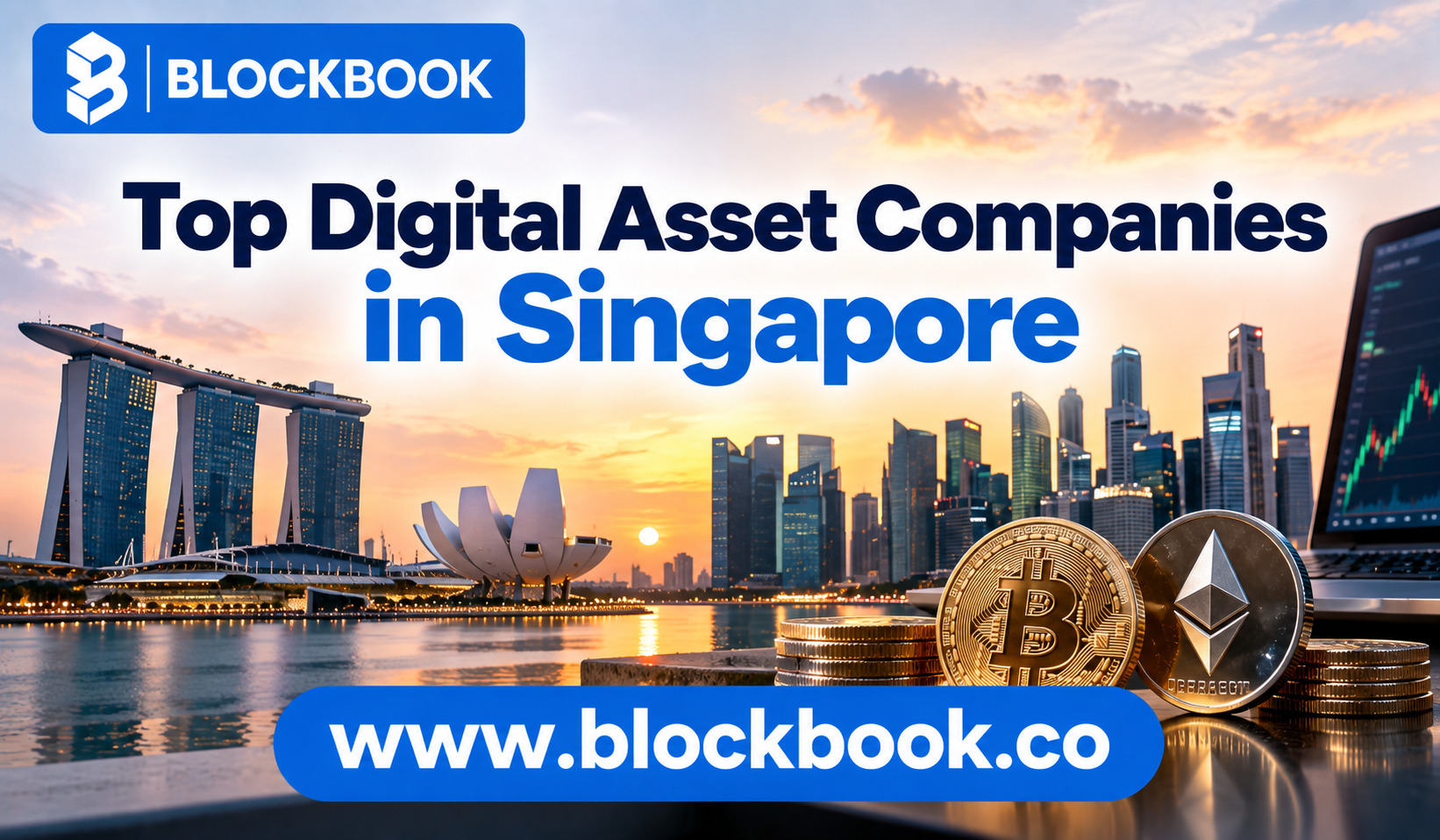
Singapore has become one of Asia’s most recognized centers for digital assets, cryptocurrency, blockchain technology, and Web3 businesses. Its strong financial sector, modern technology infrastructure, international business environment, and structured approach to digital-asset regulation have attracted companies from different parts of the world.
The digital-asset industry in Singapore is much larger than cryptocurrency exchanges. Companies are working on digital payments, stablecoins, blockchain infrastructure, custody, trading, tokenization, analytics, and institutional financial services. Some businesses focus on individual users, while others provide specialized technology and financial products for institutions and large companies.
This growing ecosystem has made Singapore an important destination for entrepreneurs, developers, investors, financial institutions, and technology professionals interested in blockchain and digital assets.
Why Singapore Is a Major Digital Asset Hub
Singapore has been a major international financial center for many years. Banks, investment companies, asset managers, fintech businesses, payment providers, and technology companies have established operations across the country.
This existing financial ecosystem provides digital-asset companies with access to experienced professionals, potential customers, investors, and business partners. It also creates opportunities for blockchain companies to work directly with traditional financial institutions.
Singapore’s location is another major advantage. Situated in Southeast Asia, the country provides companies with connections to fast-growing markets throughout the region. Businesses can establish operations in Singapore while serving customers and partners across Asia and other international markets.
The country has also developed a regulatory environment specifically addressing digital-payment-token services. This has encouraged companies to build businesses around digital assets while operating within defined financial rules.
1. Crypto.com
Crypto.com is one of the most recognizable cryptocurrency companies associated with Singapore. The company provides a broad range of digital-asset services, including cryptocurrency trading, payments, wallets, and other financial products.
Rather than focusing on just one cryptocurrency service, Crypto.com has developed a larger ecosystem designed to connect digital assets with everyday financial activities.
Its Singapore connection is particularly significant because the company has grown from the region into an international digital-asset business. Its development reflects Singapore’s role in supporting companies that want to build global cryptocurrency products.
Crypto.com’s wide range of services also demonstrates how the cryptocurrency industry has moved beyond simply buying and selling coins. Digital wallets, payment solutions, trading services, and financial products are increasingly becoming part of the same ecosystem.
2. Amber International
Amber International is a digital-asset financial services company with operations in Singapore. The company focuses heavily on institutional and professional customers through services involving digital-asset trading and wealth management.
Institutional customers have different requirements from individual cryptocurrency users. They may need larger trading capabilities, professional account management, custody solutions, liquidity, and financial services designed around digital assets.
Amber International represents this professional side of Singapore’s crypto industry. Its business demonstrates how digital assets are increasingly being treated as part of a broader financial-services market.
The company’s focus also highlights Singapore’s role in attracting businesses that want to connect cryptocurrency with professional investment and wealth-management services.
3. Matrixport and BIT
Matrixport has been a well-known name in Singapore’s digital-asset industry. In 2026, the company rebranded its business as BIT as it expanded its focus across areas such as custody, trading, payments, real-world assets, and on-chain financial services.
The company’s development illustrates how digital-asset businesses are changing as the industry matures. Instead of concentrating on cryptocurrency trading alone, companies are building broader financial infrastructure.
Digital-asset custody and institutional services are particularly important because professional investors require secure and efficient ways to manage blockchain-based assets.
BIT represents the growing connection between traditional financial services and blockchain-based infrastructure.
4. Nansen
Nansen is a blockchain analytics company associated with Singapore’s Web3 ecosystem. Instead of operating mainly as a cryptocurrency exchange, Nansen focuses on blockchain data and market intelligence.
Blockchain networks produce enormous amounts of transaction information. While much of this data is publicly available, it can be difficult to understand without specialized tools.
Nansen helps users analyze blockchain activity and turn complex information into easier-to-understand insights. Its services can be useful for investors, researchers, blockchain projects, and other participants in the digital-asset industry.
The company demonstrates that the crypto sector is not only about trading. Data analysis has become an important part of understanding digital-asset markets.
5. DBS Digital Exchange
DBS Digital Exchange is an important example of a traditional financial institution entering the digital-asset sector.
Associated with DBS Bank, the exchange provides digital-asset services with a strong focus on institutional customers. Its development shows how established banks can become involved in cryptocurrency and blockchain markets.
Traditional financial institutions have significant experience with custody, compliance, risk management, and investment services. Combining this expertise with blockchain technology can create new ways for professional customers to access digital assets.
DBS Digital Exchange therefore represents the connection between Singapore’s traditional financial sector and its growing blockchain industry.
6. StraitsX
StraitsX focuses on digital payments and stablecoin infrastructure. Stablecoins are digital assets designed to maintain a relatively stable value, usually by being linked to a traditional currency.
Stablecoins can be used for different purposes, including digital payments, transfers, trading, and settlement. Their potential usefulness has created opportunities for companies developing the infrastructure required to support them.
StraitsX is an example of a Singapore-based company working on this part of the digital-asset economy.
Its business also reflects a wider trend in which blockchain technology is being explored for practical financial applications rather than cryptocurrency speculation alone.
7. Coinbase Singapore
Coinbase is one of the world’s best-known cryptocurrency companies and has established operations in Singapore.
The company provides cryptocurrency trading and other digital-asset services. Its presence in Singapore demonstrates the country’s importance to international cryptocurrency businesses seeking access to Asian markets.
Coinbase’s Singapore operation also reflects the increasing importance of regulated digital-asset services. Companies serving customers in different countries need to understand local financial requirements and adjust their services accordingly.
The presence of major international platforms contributes to Singapore’s position as a meeting point between global cryptocurrency businesses and Asian customers.
8. Blockchain.com Singapore
Blockchain.com is another internationally recognized digital-asset company with a Singapore operation. The company is widely known for its cryptocurrency wallet and digital-asset services.
A cryptocurrency wallet allows users to manage digital assets and interact with blockchain networks. Wallet technology is therefore an important part of the broader crypto ecosystem.
Blockchain.com’s presence in Singapore shows that the country attracts international businesses across different parts of the digital-asset industry, from wallets and trading to financial infrastructure.
9. BitGo Singapore
BitGo focuses on institutional digital-asset infrastructure, including custody and related services.
Custody is particularly important for professional investors because digital assets require specialized systems for secure storage and transfer. Institutions may have requirements that are very different from those of individual cryptocurrency users.
BitGo’s Singapore presence demonstrates the growing importance of institutional infrastructure within the country’s digital-asset sector.
As financial institutions become more involved with blockchain-based assets, companies providing secure custody and transaction infrastructure can play an important supporting role.
10. Cumberland Singapore
Cumberland is involved in institutional cryptocurrency trading and liquidity services. Its Singapore operations form part of the country’s professional digital-asset market.
Liquidity is important in financial markets because buyers and sellers need sufficient market activity to complete transactions efficiently. Institutional trading companies can help support this activity by providing liquidity and professional trading services.
Cumberland represents a less visible but important part of the cryptocurrency ecosystem. While consumers generally interact with exchanges and wallets, professional trading companies often operate behind the scenes to support broader market activity.
Main Areas of Singapore’s Digital Asset Industry
Singapore’s digital-asset ecosystem includes businesses with very different purposes. Some focus on consumers, while others provide specialized services to banks, investment firms, and technology companies.
- Cryptocurrency trading and exchange services
- Institutional custody and financial services
- Stablecoins and digital payment infrastructure
- Blockchain analytics and Web3 technology
These areas often overlap. A single company may provide several types of services as the digital-asset market continues to develop.
Tokenization and the Future of Digital Finance
Tokenization is another important area within Singapore’s digital-asset industry. It involves representing ownership or financial interests through digital tokens recorded on blockchain networks.
Tokenization can potentially be used for different financial assets, including funds, securities, bonds, and other forms of investment.
Singapore’s established financial sector provides a useful environment for exploring these applications. Banks, fintech companies, asset managers, and blockchain businesses can work together to investigate how blockchain-based systems could improve financial transactions.
This development could eventually make blockchain technology more closely connected with traditional investment markets.
Why Institutional Adoption Matters
Institutional adoption is becoming increasingly important for the digital-asset industry. Large financial organizations need reliable systems for trading, custody, reporting, compliance, and risk management.
Singapore has companies operating across many of these areas. This creates an ecosystem that can support both individual users and professional financial organizations.
Institutional involvement can also encourage improvements in digital-asset infrastructure. Businesses serving professional customers generally need strong security, reliable technology, clear operational processes, and effective risk controls.
As a result, institutional demand can influence how digital-asset companies develop their products.
Challenges Facing Digital Asset Companies
Despite the opportunities, digital-asset companies face several challenges.
Regulation remains an important consideration. Companies must understand the rules that apply to their specific activities and customer base.
Security is another major concern. Digital assets can be attractive targets for hackers and fraudsters, making cybersecurity an essential part of any crypto business.
Market volatility can also affect companies operating in this sector. Cryptocurrency prices and trading activity can change quickly, which can influence customer demand and business performance.
Companies must therefore focus on more than technology. Strong security, responsible financial management, regulatory compliance, and customer protection are also important for long-term development.
The Future of Digital Assets in Singapore
Singapore’s digital-asset sector has developed into a diverse ecosystem that combines cryptocurrency, traditional finance, fintech, blockchain infrastructure, payments, and Web3.
Companies such as Crypto.com, Amber International, BIT, Nansen, DBS Digital Exchange, StraitsX, Coinbase, Blockchain.com, BitGo, and Cumberland represent different parts of this growing industry.
The future of the sector will depend on regulation, technology, institutional adoption, market conditions, and customer demand. Stablecoins, tokenization, digital payments, institutional custody, blockchain analytics, and Web3 infrastructure could all play important roles in future growth.
Singapore’s combination of financial expertise, international connectivity, technology talent, and structured regulation gives digital-asset companies an environment in which they can develop products for both Asian and international markets.
As blockchain technology becomes increasingly integrated with financial services, Singapore is likely to remain an important location for companies building the next generation of digital financial infrastructure.
Frequently Asked Questions
1. What are some of the top digital asset companies in Singapore?
Some notable companies include Crypto.com, Amber International, BIT, Nansen, DBS Digital Exchange, StraitsX, Coinbase Singapore, Blockchain.com Singapore, BitGo Singapore, and Cumberland Singapore.
2. Why is Singapore important for digital-asset companies?
Singapore combines a major international financial center with advanced technology infrastructure, skilled professionals, global business connections, and a structured regulatory environment for digital-asset businesses.
3. Are international cryptocurrency companies operating in Singapore?
Yes. Several major international digital-asset companies have established operations in Singapore, allowing them to serve customers and participate in the wider Asian digital-asset market.
4. What role do stablecoins play in Singapore’s digital-asset industry?
Stablecoins can be used for digital payments, transfers, trading, and settlement. Companies working on stablecoin infrastructure are therefore an important part of Singapore’s developing digital-finance ecosystem.
5. What is the future of digital assets in Singapore?
The industry is expected to develop beyond cryptocurrency trading. Areas such as tokenization, stablecoins, institutional custody, digital payments, blockchain analytics, and Web3 infrastructure could become increasingly important as the market evolves.
About the Author