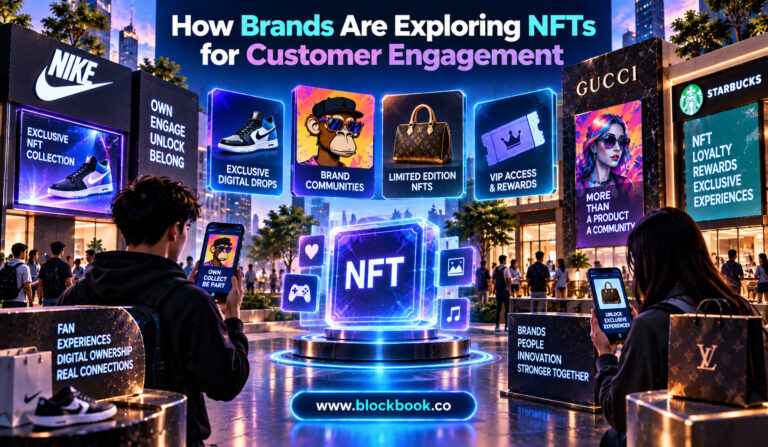
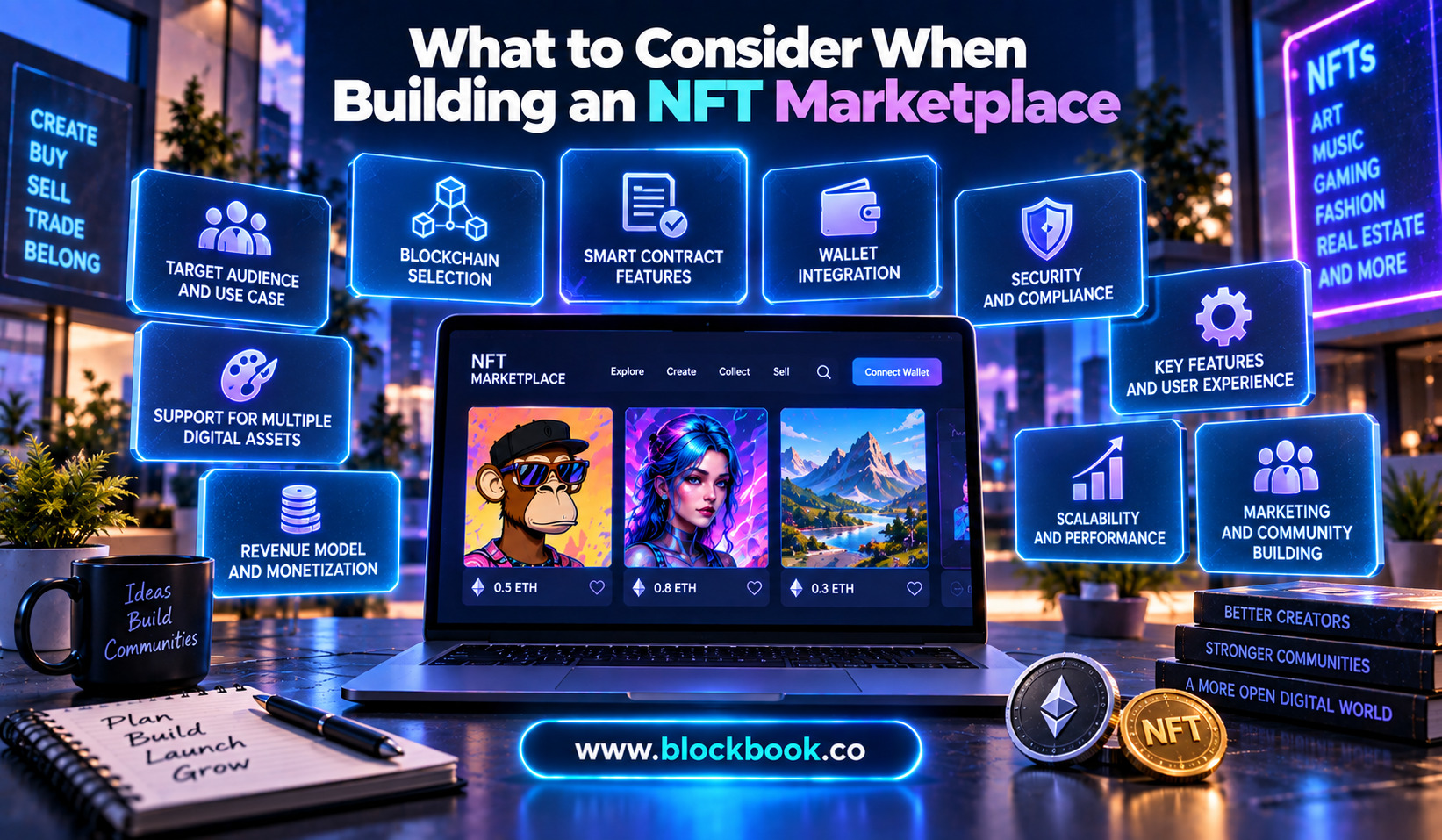
The NFT market has evolved from a niche blockchain experiment into a broader digital asset ecosystem covering collectibles, gaming items, memberships, virtual goods, digital art and other forms of blockchain-based ownership. As interest in these applications continues to develop, entrepreneurs and technology companies are exploring the idea of creating their own NFT marketplaces.
Building an NFT marketplace, however, involves much more than creating a website where users can upload and trade digital assets. A functioning platform requires blockchain infrastructure, smart contracts, wallets, security systems, search and discovery tools, payment options and policies for handling users and digital content.
The changing nature of the NFT sector also means that marketplace developers need to think beyond the traditional model of simply buying and selling collectibles. Modern platforms may need to support multiple asset types and provide useful experiences for creators, collectors, gamers and brands.
A successful development strategy therefore starts with understanding the marketplace’s purpose, target audience and technical requirements.
Define the Marketplace Concept First
The first decision is determining what kind of NFT marketplace is being built. A general marketplace may list different types of NFTs, while a specialized platform can focus on areas such as gaming, digital art, sports, memberships or virtual worlds.
A focused marketplace can make it easier to design features around a specific audience. For example, a gaming NFT platform may need information about game compatibility, item attributes and player utility. An art marketplace may place greater emphasis on creator profiles, artwork presentation and collection history.
The business model should also be defined early. Revenue can potentially come from transaction fees, listing fees, creator services or premium features.
Without a clear purpose, a marketplace can become difficult to differentiate from competing platforms.
Choosing the Right Blockchain
Blockchain selection is one of the most important technical decisions. Different networks can vary in transaction costs, speed, developer tools, security characteristics and ecosystem size.
Ethereum has historically played a major role in NFT development, while other blockchain networks have also attracted NFT projects because of different performance or cost characteristics.
Developers should consider the expected transaction volume and the type of assets the marketplace will support. A platform designed for frequent, lower-value gaming transactions may have different infrastructure requirements from a marketplace selling high-value digital artwork.
Multi-chain support is another possibility, but it can increase development and maintenance complexity.
Smart Contracts Form the Core Infrastructure
Smart contracts automate many marketplace functions. They can manage NFT transfers, sales, royalties and other transaction rules according to the marketplace’s design.
Because smart contracts can control valuable digital assets, security testing is essential. A programming error or vulnerability could create serious problems for users and the platform.
Developers should conduct extensive testing before deploying contracts. Independent security audits can also be considered for important contracts.
The contract architecture should be designed around the marketplace’s long-term requirements rather than being treated as a simple technical component.
Wallet Integration Must Be Simple
Users need a way to store and manage NFTs. Wallet integration is therefore central to the marketplace experience.
A platform may support popular external wallets or provide an integrated wallet experience. The choice affects onboarding, security and user control.
New users can find wallet addresses, network selection and transaction confirmations confusing. A marketplace should provide clear instructions and explain transaction requirements before users commit to purchases.
A complicated wallet experience can discourage users even when the underlying marketplace has attractive collections.
User Experience Can Determine Adoption
The interface should make it easy for users to discover assets, understand ownership information and complete transactions.
A marketplace may contain thousands or millions of digital assets, making search and organization particularly important. Users should be able to quickly understand an NFT’s price, collection, creator, attributes and transaction history.
The platform should also work effectively across desktop and mobile devices.
A clean user experience can reduce friction, while excessive technical information presented without context can make the platform difficult for newcomers.
Important Features for an NFT Marketplace
The exact feature set depends on the platform’s business model, but many marketplaces require a combination of:
- NFT discovery: Search, filtering, categories and collection pages.
- Trading functionality: Buying, selling, bidding and transaction management.
- Creator tools: Minting, collection management and performance information.
- User accounts and wallets: Secure ownership and transaction interfaces.
These core features can later be expanded with analytics, community functions, recommendations and additional payment options.
Security Should Be a Primary Development Priority
Security cannot be treated as an optional feature in an NFT marketplace. The platform may interact with blockchain wallets, smart contracts and financial transactions.
Developers need to consider both blockchain-level and application-level security. Front-end vulnerabilities, account compromises, malicious links and phishing attacks can affect users even when the underlying blockchain is functioning correctly.
Security measures can include secure authentication, contract testing, monitoring systems and clear warnings around suspicious transactions.
Marketplace administrators should also establish procedures for responding to reported scams, impersonation and compromised accounts.
Designing the Fee Structure
Fees influence both creators and buyers. A marketplace can charge transaction fees, listing fees or other service charges depending on its business model.
The fee structure should be transparent. Users should be able to understand the marketplace’s charges before completing a transaction.
Blockchain network fees can also affect the final cost. Developers therefore need to consider how network activity may affect users during busy periods.
| Development Area | Main Consideration |
| Blockchain | Cost, speed, security and ecosystem |
| Smart contracts | Trading logic and asset transfers |
| Wallets | Secure and simple asset management |
| User interface | Navigation and transaction clarity |
| Security | Protection against technical and user-level threats |
| Payments | Crypto and potentially traditional payment options |
| Compliance | Applicable legal and platform requirements |
A transparent pricing model can make the platform easier to understand and may reduce transaction abandonment.
Creator Experience Matters
Creators are a critical part of any NFT marketplace. Without attractive and legitimate collections, buyers have fewer reasons to visit the platform.
Marketplace developers should make the process of creating and managing collections straightforward. Creators may need tools for uploading metadata, setting collection information, managing listings and viewing sales data.
Royalties are another consideration. The way creator royalties are implemented can vary depending on the blockchain and marketplace architecture.
Platforms should clearly explain how royalties work so creators understand what they can expect from secondary transactions.
Discovery and Search Are Increasingly Important
As NFT collections grow, discovery can become one of the biggest marketplace challenges.
Basic search may not be enough for a large platform. Users may want to filter NFTs by price, attributes, blockchain, creator or collection.
Trending sections can help users discover active projects, but marketplaces should be transparent about how assets are promoted. Ranking systems can influence visibility and therefore have a significant effect on creators.
Personalized recommendations may also become more common as marketplaces use data to improve discovery.
Supporting Multiple Payment Methods
Cryptocurrency is closely associated with NFTs, but payment flexibility can influence accessibility.
Depending on the target audience and jurisdiction, developers may consider supporting multiple cryptocurrencies or integrating traditional payment methods.
Fiat payment options can potentially make NFTs easier for mainstream customers to purchase because users may not need to acquire cryptocurrency separately.
However, adding traditional payments introduces additional requirements involving payment processing, fraud prevention and regulatory compliance.
Compliance and Legal Considerations
Legal requirements should be considered before development rather than after launch. NFT marketplaces can operate across multiple jurisdictions, creating different obligations depending on location and business structure.
Issues may include consumer protection, taxation, intellectual property, privacy and anti-money-laundering requirements, depending on how the platform operates.
NFT ownership also does not automatically transfer copyright ownership. A marketplace should provide clear information about what rights buyers receive when purchasing a particular asset.
Legal advice specific to the intended jurisdictions and business model can be important during development.
Building Trust Through Verification
The NFT ecosystem has faced challenges involving counterfeit collections and impersonated creators. Verification tools can therefore play an important role in marketplace trust.
Platforms can develop creator verification processes and provide clear collection information. Users should also be encouraged to review contract addresses and other blockchain information where appropriate.
Verification should not be presented as a guarantee of an asset’s financial value. Its purpose is primarily to help users distinguish recognized projects and creators from impersonators.
Four Areas Developers Should Prioritize
Before launching an NFT marketplace, development teams should pay particular attention to:
- Security: Protect wallets, smart contracts, user accounts and transactions.
- Usability: Make blockchain interactions understandable for beginners.
- Scalability: Prepare infrastructure for changes in transaction volume and user activity.
- Transparency: Clearly communicate fees, ownership details, policies and platform rules.
These areas can affect both initial adoption and long-term user confidence.
Scalability and Performance
A marketplace needs to remain responsive as user numbers increase. Slow loading times, delayed transactions or unavailable services can negatively affect the trading experience.
Developers should consider infrastructure that can handle growing traffic and blockchain activity. Caching, efficient database architecture and scalable cloud infrastructure can help with application performance, while blockchain scaling solutions can address network-level challenges depending on the chosen ecosystem.
Performance testing should take place before major launches and during periods of increased activity.
Analytics Can Improve Marketplace Decisions
Data can help marketplace operators understand how users interact with the platform. Metrics such as collection views, listing activity, completed transactions and user retention can provide insight into marketplace behavior.
Creators can also benefit from analytics showing how their collections perform.
However, data collection should be handled responsibly. Platforms need to consider privacy requirements and avoid collecting unnecessary personal information.
Analytics should ultimately help improve the user experience rather than simply increase promotional activity.
Conclusion
Building an NFT marketplace requires careful planning across technology, security, user experience, payments, creator tools and legal considerations. A marketplace is not simply a digital storefront for blockchain assets; it is an ecosystem connecting creators, buyers, blockchain networks and applications.
The most important development decisions should begin with the target audience and the purpose of the platform. From there, developers can select an appropriate blockchain, design secure smart contracts, simplify wallet integration and create effective discovery tools.
Frequently Asked Questions
What is an NFT marketplace?
An NFT marketplace is a digital platform where users can discover, buy, sell and sometimes create non-fungible tokens.
How much does it cost to build an NFT marketplace?
The cost varies significantly depending on blockchain selection, features, security requirements, design, payment systems and development complexity.
Which blockchain should be used for an NFT marketplace?
There is no universal choice. Developers should evaluate transaction costs, performance, security, ecosystem support and the specific requirements of the marketplace.
Are smart contracts necessary?
Smart contracts are commonly used to automate NFT ownership transfers, sales and other blockchain-based marketplace functions.
About the Author