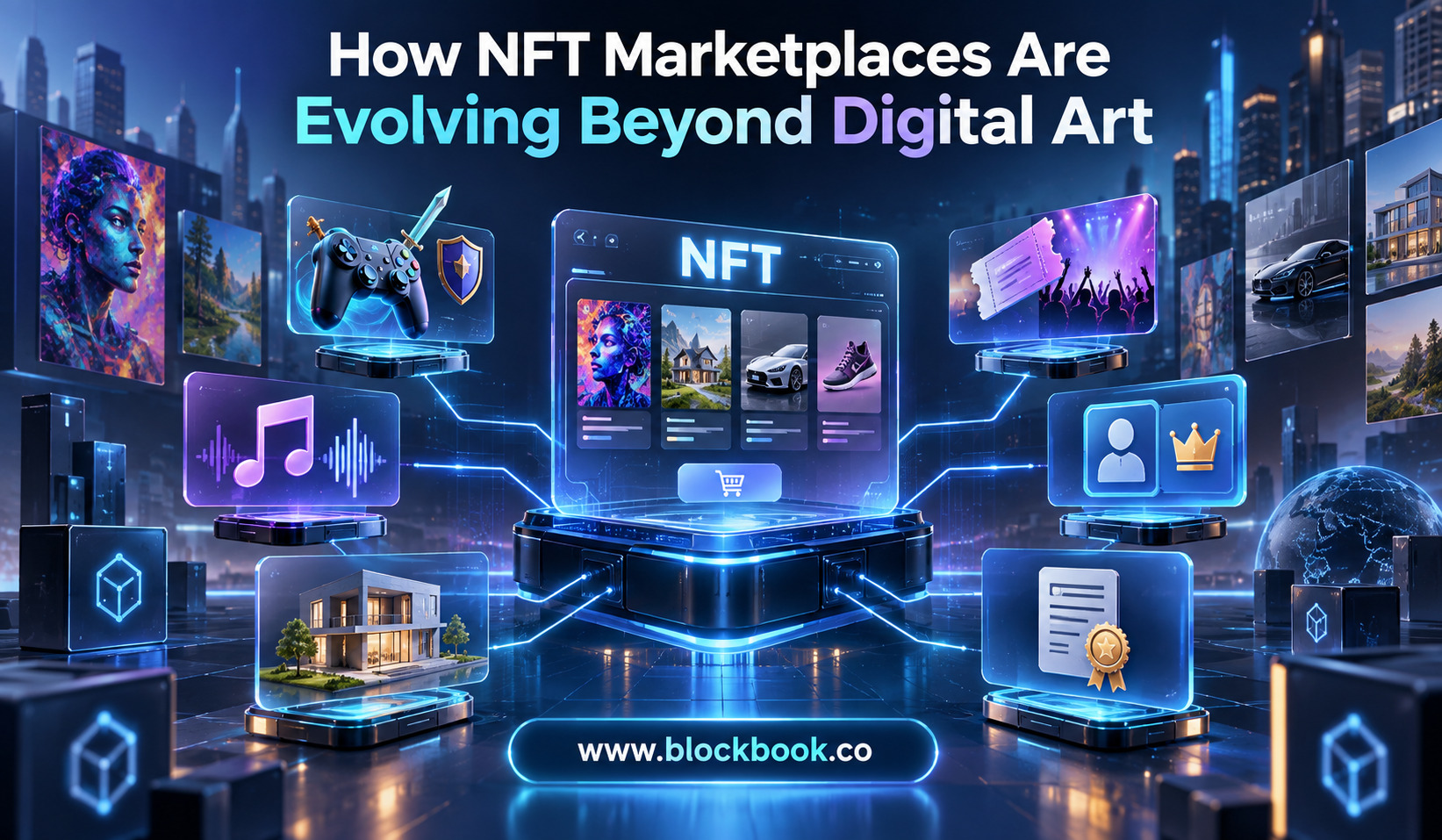
For years, non-fungible tokens, better known as NFTs, were closely associated with digital artwork. Images, illustrations, profile-picture collections and virtual collectibles helped introduce millions of people to the concept of blockchain-based ownership. NFT marketplaces became the main destinations where these digital assets could be created, displayed, bought and sold.
That association is now changing. NFT marketplaces are increasingly being designed around a wider range of digital and real-world use cases, including gaming assets, event tickets, memberships, brand loyalty programs, music, virtual goods and tokenized physical products. Instead of functioning simply as online galleries for blockchain artwork, some platforms are becoming broader marketplaces for programmable digital ownership.
This shift reflects a larger change in how companies and creators view NFTs. The technology can provide a verifiable record of ownership, transferability and transaction history. While these features do not automatically make an NFT valuable, they can support applications where proving access, authenticity or ownership is important.
From Digital Artwork to Digital Utility
The first major phase of the NFT market was heavily influenced by digital art. Artists could tokenize individual works or collections and offer them directly to collectors. Marketplaces provided the infrastructure for listing and trading these assets without requiring traditional galleries or auction houses.
As the technology matured, developers began exploring whether the same infrastructure could support assets that do something beyond representing an image.
An NFT can contain or point to information that determines what the owner can access. For example, a token might act as a membership credential, provide access to an online community or unlock digital content. In gaming, an NFT can represent an item that has a defined role within a virtual environment.
This utility-focused approach is helping marketplaces expand their audiences. A consumer who has no interest in collecting digital art may still find value in a blockchain-based event pass, game asset or membership token.
Gaming Is Becoming an Important NFT Use Case
Gaming is one of the areas where NFT marketplaces can move beyond simple collectibles. Blockchain-based gaming projects have experimented with tokenized characters, weapons, virtual land, skins and other in-game items.
Traditional games usually keep ownership of virtual assets within a publisher’s ecosystem. Players may spend money on an item but have limited ability to transfer it outside the game. Blockchain technology introduces another model in which certain assets can be represented by tokens that are independently recorded on a blockchain.
This does not mean every game needs NFTs. In fact, some gaming communities have been skeptical of blockchain integration, particularly when token systems appear disconnected from gameplay. Developers therefore face the challenge of making ownership useful rather than simply adding NFTs as a marketing feature.
For marketplaces, gaming also creates the possibility of more frequent transactions. A digital artwork may be purchased once and held for a long period, while game-related assets could potentially be traded as players change interests, upgrade collections or participate in different virtual environments.
NFTs and Event Ticketing
Another emerging direction is the use of NFTs for tickets and event credentials. Concerts, conferences, sporting events and private experiences all depend on systems that can verify who has access.
A blockchain-based ticket can provide a permanent digital record while also supporting additional functions. Organizers could potentially connect tickets with loyalty benefits, merchandise offers or special experiences. A collectible ticket could also become a digital reminder of attendance rather than disappearing after an event.
The model is particularly interesting for secondary markets. Traditional ticket resale can involve complicated verification processes. Tokenized tickets can potentially provide a transparent transaction history, although practical implementation still depends on the platform, event organizer and applicable regulations.
NFT marketplaces that support ticketing therefore have an opportunity to become more than places for speculative trading. They can become infrastructure for managing digital access.
Music and Entertainment Are Expanding the Market
The entertainment industry is also experimenting with token-based ownership and access. Musicians can use NFTs to distribute limited digital releases, special editions, backstage experiences or fan memberships.
For independent creators, the attraction is partly connected to direct relationships with audiences. Instead of relying entirely on conventional distribution channels, creators can experiment with digital assets that connect ownership with exclusive benefits.
However, an NFT does not automatically transfer copyright or intellectual-property rights. Buyers need to understand exactly what they are receiving. Owning a token linked to a song, video or image is not necessarily the same as owning the underlying copyright.
This distinction is becoming increasingly important as marketplaces expand into entertainment and other commercial categories.
Fashion and Luxury Brands Explore Digital Ownership
Luxury and fashion brands have also shown interest in NFTs as a way to connect physical products with digital identities. A token can potentially accompany a physical item and provide information about authenticity, ownership history or access to brand services.
For high-value goods, provenance can be particularly important. If a digital record is connected to a product during manufacturing or sale, future owners could potentially use that record as part of an authentication process.
Brands can also use tokenized assets for loyalty programs and exclusive releases. Instead of simply selling a digital collectible, a company could provide token holders with early access, special products or invitations.
This represents a major conceptual change: the NFT becomes a digital layer connected to a broader customer relationship.
Tokenized Physical Assets
NFT marketplaces are also exploring the connection between blockchain tokens and physical products. Collectibles, luxury goods, merchandise and other assets can potentially be represented digitally.
The main attraction is the ability to maintain a record associated with an item. However, tokenization does not solve every problem. The physical asset still needs secure storage, verification and a reliable process for transferring ownership.
The relationship between the physical product and the digital token must also be clearly defined. Without trustworthy systems linking the two, a blockchain record alone cannot guarantee that a physical object is authentic.
As a result, successful projects are likely to depend on a combination of blockchain infrastructure, business processes and real-world verification.
Memberships and Loyalty Programs
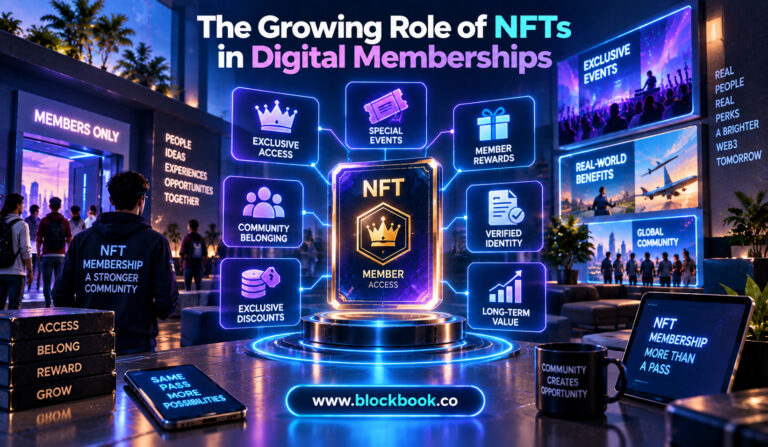
NFT-based memberships are another area attracting attention. Businesses can issue tokens that provide access to communities, services, events or special offers.
Compared with conventional loyalty points, blockchain-based memberships can potentially be transferred or used across different digital environments. Whether that flexibility is useful depends on how the program is designed.
For brands, the biggest opportunity may be creating longer-term relationships with customers. A membership token can become an ongoing digital credential rather than a one-time promotional item.
Some companies may also use NFTs to reward participation, purchases or engagement. This creates possibilities for loyalty systems that go beyond traditional points-based programs.
Key Areas Driving NFT Marketplace Expansion
- Gaming assets and virtual goods
- Event tickets and digital access passes
- Music, entertainment and creator memberships
- Fashion, luxury products and physical-item authentication
AI, Digital Identity and NFTs
The development of artificial intelligence is creating another potential direction for NFT marketplaces. AI-generated characters, virtual personalities and digital agents can be represented through blockchain-based identities or assets.
This area remains experimental, but the combination of AI and blockchain could create marketplaces where users acquire digital characters, avatars or other programmable assets.
Digital identity is another important concept. NFTs can potentially act as credentials that represent membership, achievements or access without necessarily being traditional financial assets.
The challenge will be designing systems that protect users while keeping ownership and identity information understandable. Privacy, security and interoperability will become increasingly important as these applications develop.
How NFT Marketplaces Are Changing
The evolution of NFT marketplaces is not only about adding more categories. Platforms are also changing how users interact with blockchain technology.
Early NFT platforms often assumed that users already understood cryptocurrency wallets, blockchain networks and transaction fees. Newer approaches increasingly attempt to make the experience more familiar to mainstream consumers.
This can include simpler payment methods, easier account creation and interfaces that hide some of the technical complexity. If NFTs are going to be used for tickets, memberships and consumer products, marketplaces need to feel less like specialist crypto platforms and more like conventional digital commerce services.
The table below highlights some of the major differences between the earlier art-focused model and the broader marketplace model emerging today.
| Earlier NFT Marketplace Model | Evolving Marketplace Model |
| Mainly digital artwork | Art, gaming, tickets, memberships and physical products |
| Collector-focused | Consumer and business-focused |
| Primarily resale activity | Access, loyalty and utility |
| Crypto-native users | Wider mainstream audiences |
| Static collectibles | Potentially interactive or programmable assets |
| Digital-only focus | Connections between digital and physical products |
Challenges Could Shape the Next Phase
Despite the expansion, NFT marketplaces still face substantial challenges. Market volatility remains an important issue, particularly for assets purchased primarily for speculation.
Regulation is another consideration. Different jurisdictions may treat digital assets differently depending on their structure and use. Marketplaces expanding into financial products, ticketing or tokenized physical assets may therefore face different compliance requirements.
Security is equally important. Wallet theft, phishing attacks, fraudulent collections and compromised accounts can undermine consumer confidence. A marketplace may provide the infrastructure, but users still need to understand how digital ownership works.
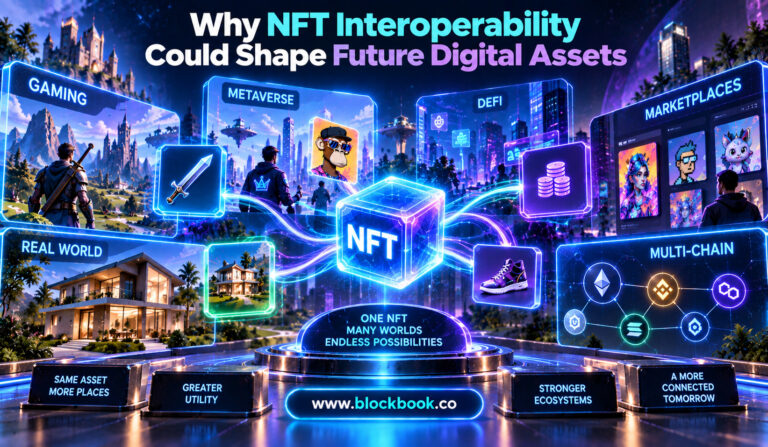
Interoperability is another long-term challenge. An asset that works on one platform may have limited functionality elsewhere. Wider adoption could depend on standards that allow digital assets to move between compatible applications.
Conclusion
NFT marketplaces are entering a broader phase in which digital art is only one part of the ecosystem. Gaming, ticketing, music, memberships, loyalty programs, fashion and tokenized physical goods are creating new possibilities for blockchain-based ownership.
The long-term direction will depend on whether these applications provide genuine value rather than simply attaching NFT technology to existing products. Easier user experiences, stronger security, clearer ownership rights and practical utility could play an important role in determining which marketplace models gain lasting adoption.
As the technology continues to develop, the NFT marketplace may increasingly look less like a digital art auction house and more like a general platform for managing ownership, access and digital relationships.
FAQs
What are NFT marketplaces?
NFT marketplaces are online platforms where users can create, purchase, sell or trade non-fungible tokens. These tokens can represent digital or, in some cases, assets connected to physical products and services.
Are NFTs still used for digital art?
Yes. Digital art remains an important NFT use case, but marketplaces are increasingly exploring gaming, memberships, ticketing, entertainment, loyalty programs and tokenized physical products.
How can NFTs be used for tickets?
An NFT can function as a digital ticket or access credential. Depending on the platform, it may also be connected to benefits such as exclusive content, merchandise or event-related experiences.
Can an NFT prove ownership of a physical product?
An NFT can provide a blockchain record associated with a physical product, but the reliability of that connection depends on the verification and custody system used by the company or marketplace.
Are NFT marketplaces becoming mainstream?
Some marketplace models are attempting to reach mainstream consumers by simplifying blockchain interactions and focusing on practical applications. However, adoption varies significantly by use case and platform.
About the Author