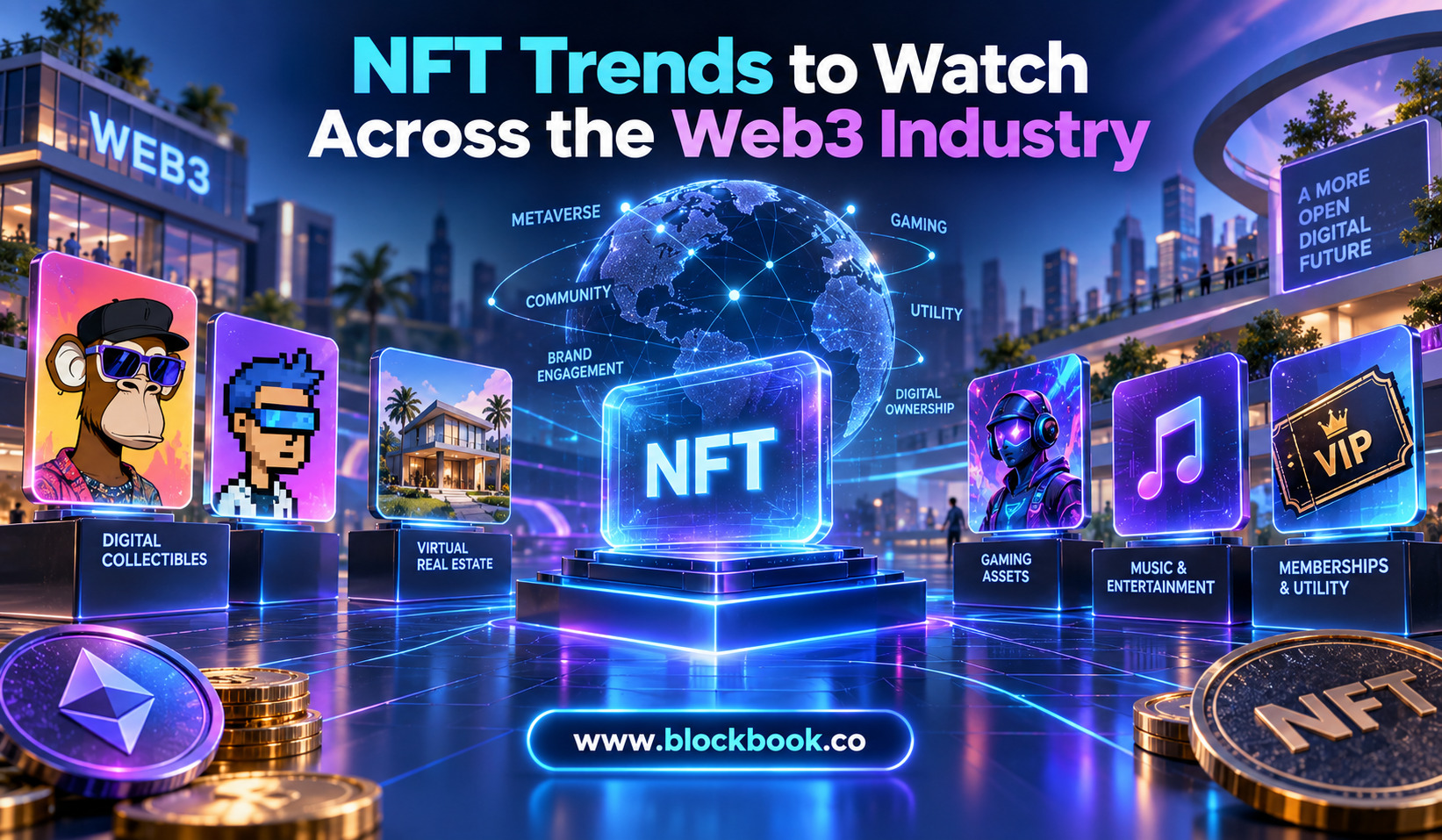
The NFT market is entering a new phase as the Web3 industry moves beyond the hype surrounding digital collectibles. Non-fungible tokens first gained mainstream attention through digital artwork, profile-picture collections and high-profile sales. Since then, the technology has continued to evolve, with developers, brands, creators and gaming companies exploring more practical applications.
Today, NFTs are increasingly being discussed as tools for digital ownership, memberships, gaming assets, event access, loyalty programs and tokenized products. The market is also becoming more closely connected with artificial intelligence, gaming, virtual environments and decentralized applications.
This changing environment means the next phase of NFT adoption may not be defined by a single collection or trend. Instead, several developments could influence how NFTs are created, used and traded across the Web3 ecosystem.
NFTs Move Toward Utility
One of the most noticeable changes in the NFT industry is the growing emphasis on utility. Earlier NFT projects often focused heavily on scarcity, visual appeal and potential resale value. Newer projects are increasingly trying to give token holders a practical reason to own an NFT.
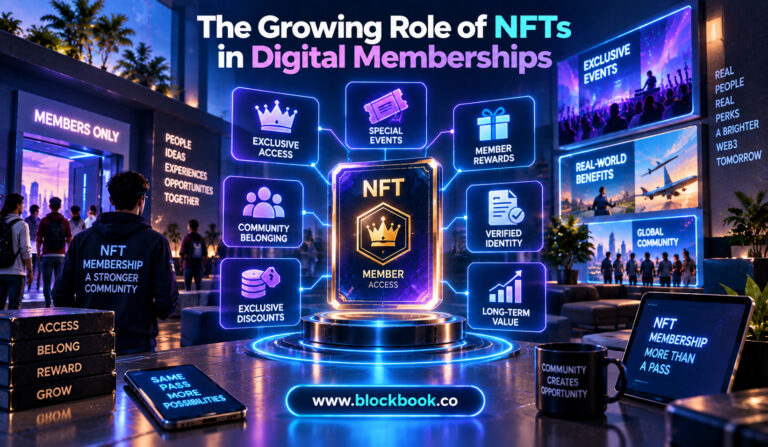
An NFT can serve as a digital membership card, access pass, gaming asset or credential. Depending on how the system is designed, ownership can unlock specific services, content or experiences.
This shift could make NFTs more relevant to people who are not traditional crypto collectors. Someone may not want to purchase an NFT simply because it is a digital image, but they may be interested in a token that provides access to an event, community or product.
Utility does not automatically guarantee demand. The underlying service still needs to offer genuine value. Nevertheless, the focus on functionality represents an important change in how projects approach NFT development.
Gaming Could Remain a Major Growth Area
Gaming continues to be one of the most closely watched areas for NFT applications. Blockchain-based games can use NFTs to represent characters, equipment, virtual land, collectibles and other digital items.
The appeal comes from the possibility of creating ownership systems that operate differently from conventional game economies. Instead of an item being entirely controlled by a game’s internal database, certain blockchain-based assets can exist as tokens on a public network.
However, integrating NFTs into gaming has not always been straightforward. Players generally care about gameplay first, while complicated wallets, transaction fees or speculative mechanics can create barriers.
The next generation of blockchain games is therefore likely to focus more heavily on user experience. If blockchain technology operates quietly in the background while players receive useful ownership features, the technology may become easier for mainstream audiences to accept.
NFT Marketplaces Are Expanding
NFT marketplaces are also changing. Digital art remains part of the market, but platforms are increasingly supporting different asset categories.
Gaming items, memberships, event tickets, music releases and branded digital products can all potentially be represented through NFTs. This broadens the potential audience for marketplaces and changes the role of these platforms from digital art galleries to broader digital-asset ecosystems.
Payment experiences are another area of development. Earlier NFT platforms often required users to understand cryptocurrency wallets and blockchain transactions. More consumer-focused platforms are exploring simpler onboarding and payment options.
The ability to hide technical complexity could become particularly important if NFTs are used by customers who have little or no previous experience with Web3.
Brands Are Exploring Digital Collectibles Differently
Large brands have experimented with NFTs in different ways, from digital collectibles to loyalty programs and exclusive experiences. The strategy is gradually moving away from simply creating a token and toward connecting NFTs with existing customer relationships.
For example, a brand could issue a digital token that provides access to a private community, special products or an event. The NFT becomes part of the customer experience rather than an isolated collectible.
Luxury and fashion companies are also exploring digital certificates connected to physical products. Such systems could potentially help brands provide product histories, authenticity information or ownership records.
The effectiveness of these approaches will depend on execution. Consumers need to understand what they receive and why the token provides something that a conventional account, receipt or loyalty card cannot.
NFTs and Digital Identity
Digital identity could become another significant NFT-related development. Blockchain-based tokens can potentially represent credentials, memberships, achievements or permissions.
For example, an NFT could indicate that someone attended an event, completed a particular program or belongs to a specific digital community. The token does not necessarily need to have a financial purpose.
This concept could eventually lead to broader discussions about portable digital credentials. Instead of keeping every achievement within a single company’s database, users could potentially hold verifiable digital records that interact with compatible services.
Privacy will be critical in this area. Identity-related systems need to avoid exposing unnecessary personal information, and users should have control over how credentials are shared.
AI and NFTs Begin to Intersect
Artificial intelligence is becoming another technology area connected with Web3 experiments. AI can generate images, characters, music and other digital content, while blockchain networks can provide systems for recording ownership or tracking digital assets.
The combination could create new types of digital collectibles. AI-generated characters might evolve over time, respond to users or participate in virtual environments while an NFT represents the associated digital identity or asset.
This area is still developing, and questions around copyright, ownership and originality remain important. An AI-generated asset may involve multiple layers of technology and rights, making clear ownership terms essential.
Nevertheless, AI could give NFTs greater functionality by turning static digital assets into interactive experiences.
Tokenized Real-World Assets
The broader tokenization of real-world assets is another trend worth watching across Web3. Although not every tokenized asset is an NFT, non-fungible tokens can be useful when individual items or rights need unique digital representations.
Examples can include collectibles, luxury products, certificates and other assets where provenance matters.
The important issue is the connection between the blockchain record and the physical asset. A token alone cannot guarantee that a real-world product is genuine. Businesses need reliable verification and custody systems to connect physical ownership with digital records.
As these systems develop, NFTs could become one component of larger asset-management platforms.
Key NFT Trends Emerging Across Web3
- Utility-focused NFTs with practical benefits
- Blockchain gaming assets and virtual economies
- Digital memberships, credentials and loyalty programs
- Connections between NFTs and physical products
NFTs and the Creator Economy
Creators are also looking for ways to use NFTs without depending entirely on speculative trading. Musicians, artists, writers, influencers and digital communities can potentially use tokens to create direct relationships with audiences.
A creator might issue a limited digital release, provide NFT holders with exclusive content or use tokens as membership credentials. This creates a model where ownership is connected with community participation.
The challenge is maintaining long-term value. A successful creator-focused NFT project needs more than an initial sale. Ongoing content, communication and meaningful benefits can determine whether a community remains active.
This could encourage the market to move toward sustainable creator models rather than short-lived launches.
NFT Royalties and Marketplace Economics
Marketplace economics is also likely to remain an important topic. Creator royalties became a major discussion point as NFT trading expanded and marketplaces adopted different approaches to secondary sales.
Royalties can provide creators with additional revenue when their work is resold, but marketplace policies vary. Some platforms have moved toward optional royalty structures, while others continue to support creator-focused models.
The debate highlights a larger issue within Web3: how economic incentives should be divided between creators, collectors, marketplaces and blockchain networks.
Future NFT platforms may experiment with new fee structures that attempt to balance these interests.
Interoperability Could Shape the Next Stage
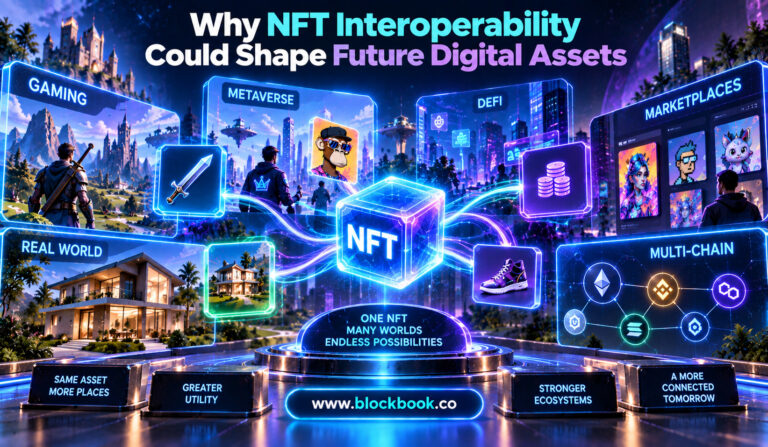
Another important trend is interoperability. NFTs become potentially more useful when they can interact with multiple applications instead of being locked inside one platform.
For gaming, interoperability could mean that an asset is recognized across compatible virtual environments. For memberships, it could mean that a credential works with several services.
However, true interoperability is technically difficult. Different blockchains, applications and games may use different standards and rules. An asset may therefore be transferable without being functionally useful everywhere.
Developers will need common standards and secure infrastructure if interoperability is going to become a major part of the NFT ecosystem.
Sustainability and Blockchain Infrastructure
Environmental concerns have influenced discussions around blockchain technology for years. The energy requirements of different blockchain networks vary significantly, and many NFT projects have moved toward networks and systems designed to reduce transaction costs and energy use.
Lower fees can also make NFTs more accessible to ordinary users. If someone is purchasing a low-cost membership or event ticket, high transaction expenses can make the model impractical.
The development of more efficient blockchain infrastructure could therefore affect both sustainability discussions and the commercial viability of NFT applications.
What These Trends Could Mean for the NFT Market
The NFT market is becoming more diverse. Instead of relying on one dominant category, the ecosystem is developing across several areas with different audiences and business models.
| Trend | Potential Use |
| Utility NFTs | Memberships, access and digital benefits |
| Gaming NFTs | Characters, items and virtual assets |
| Digital identity | Credentials and achievements |
| Brand NFTs | Loyalty and customer engagement |
| Physical-linked NFTs | Authentication and ownership records |
| AI-linked NFTs | Interactive digital characters and content |
| Creator NFTs | Exclusive content and community access |
This diversification could make the NFT industry less dependent on speculative collecting. At the same time, it introduces new challenges around regulation, consumer protection, copyright, security and user education.
Challenges Still Facing the Industry
NFT adoption remains affected by market volatility and changing consumer sentiment. Projects that depend primarily on resale expectations can face sharp changes in demand.
Security is another concern. Wallet theft, phishing scams and fraudulent collections can cause significant losses. As NFTs become connected to valuable products and services, secure infrastructure will become increasingly important.
Regulatory uncertainty may also influence how companies use NFTs. Different countries can apply different rules to digital assets, particularly when tokens have financial characteristics or represent access to regulated services.
These factors mean that technological development alone will not determine the future of NFTs. Business models, consumer trust and regulatory clarity will also matter.
The Road Ahead for NFTs
The next chapter of the NFT industry is likely to be less about proving that digital collectibles can be valuable and more about demonstrating what blockchain-based ownership can actually do.
Gaming, memberships, creator communities, digital identity, AI-powered assets and connections to physical products are all providing different directions for experimentation. Some ideas will gain traction while others may disappear as the market becomes more selective.
For consumers, the changing landscape means NFTs may increasingly appear as part of familiar digital experiences rather than as standalone crypto products. For businesses, the technology could become another tool for managing ownership, access and customer relationships.
The strongest developments are likely to be those where the technology solves a genuine problem or creates a useful experience. As Web3 continues to mature, NFTs may gradually become less visible as a buzzword while becoming more integrated into the digital services people use.
Conclusion
NFTs are moving into a more diverse stage of development across the Web3 industry. Digital art helped establish the market, but newer applications are putting greater emphasis on utility, gaming, memberships, digital identity, creator communities and connections between physical and digital assets.
The industry still faces challenges involving security, regulation, sustainability, ownership rights and consumer trust. Even so, the growing range of experiments suggests that NFTs are becoming part of a much broader conversation about digital ownership.
Rather than being defined by one type of collectible, the future NFT ecosystem could consist of multiple applications serving different industries. The coming years will reveal which of these emerging models can turn blockchain-based ownership into useful, sustainable digital experiences.
FAQs
What are the major NFT trends in Web3?
Major developments include utility-based NFTs, blockchain gaming, digital memberships, tokenized physical assets, creator communities, digital identity and the integration of NFTs with artificial intelligence.
Are NFTs still mainly used for digital art?
Digital art remains an important category, but NFT applications are expanding into gaming, ticketing, memberships, loyalty programs, entertainment and physical-product authentication.
How are NFTs being used in gaming?
NFTs can represent game-related assets such as characters, items, collectibles or virtual land. Their usefulness depends on how the individual game integrates blockchain technology.
Can NFTs be used for digital identity?
NFTs can potentially represent credentials, memberships or achievements. However, identity applications need strong privacy and security protections.
How could AI affect NFTs?
AI could create interactive characters, digital content and evolving virtual assets. NFTs may provide a way to represent or track certain digital assets, although copyright and ownership questions remain important.
About the Author