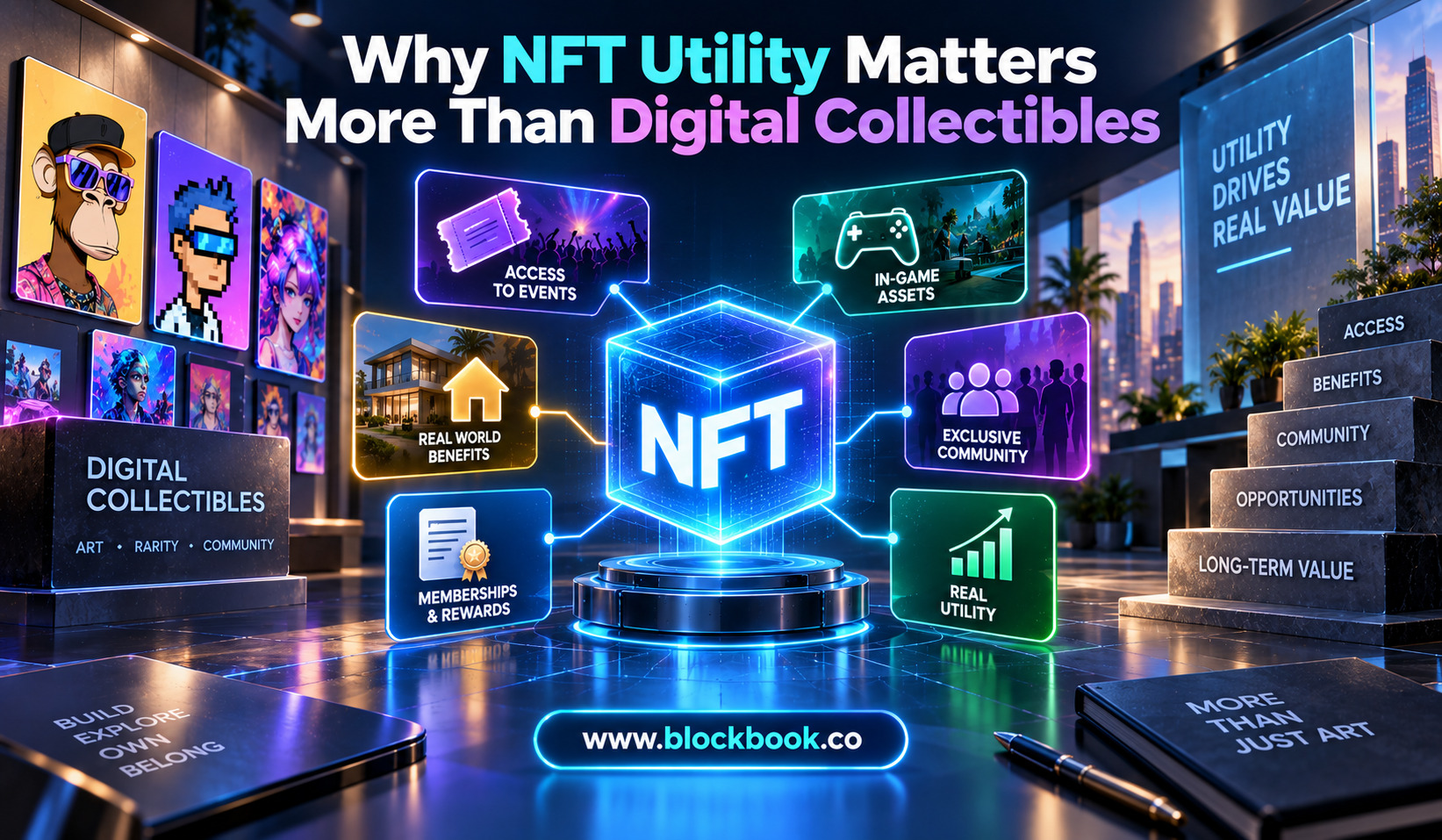
Non-fungible tokens, better known as NFTs, entered the mainstream largely through digital collectibles. Artwork, profile pictures, virtual characters and limited-edition digital items helped introduce millions of people to blockchain-based ownership. For a period, the appeal of owning a unique digital asset was enough to drive considerable attention toward the NFT market.
The conversation around NFTs, however, is gradually becoming broader. Instead of asking only what an NFT looks like or how rare it is, users and businesses are increasingly interested in what the token actually does. This shift has placed NFT utility at the center of discussions about the future of digital ownership.
Utility refers to the practical function or benefit attached to an NFT. A token might provide access to an online community, unlock digital content, verify membership, offer benefits within a game or connect physical products with digital ownership records. In this model, the NFT becomes more than an item to display. It becomes a tool that can be used within a wider digital ecosystem.
From Collecting to Using
Traditional digital collectibles are primarily built around ownership and appreciation. A user purchases an item because it is visually appealing, scarce, connected to a particular creator or associated with a community. These characteristics can remain important, but they do not necessarily give the asset a practical role.
NFT utility introduces another layer. A token can function as an access pass, membership credential or digital ticket. Rather than sitting inside a wallet as a collectible, it can interact with applications, platforms and services.
This distinction is becoming important as the wider Web3 industry searches for applications that can attract users beyond speculative trading. Collectibles helped prove that people were interested in digitally scarce assets, but utility could determine whether NFTs become useful in everyday digital experiences.
Why Utility Can Create Longer-Term Value
The value of a collectible can be heavily influenced by trends, community attention and market sentiment. When interest changes, demand for purely collectible assets can also change quickly. Utility does not remove market risk, but it gives an NFT another potential reason for people to hold or use it.
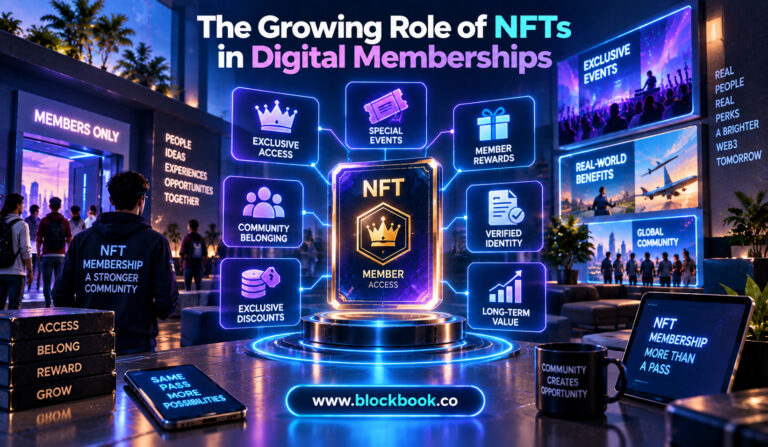
Consider an NFT issued as a membership credential. The owner might receive access to private events, educational material, product discounts or an online community. Even if the token’s resale market becomes less active, the underlying benefits can continue to have value for its owner.
The same concept can apply to digital tickets. Instead of receiving a conventional ticket that simply proves entry, a blockchain-based ticket could also provide access to additional experiences before or after an event. It could potentially serve as a record of attendance or unlock future benefits.
This approach changes the question surrounding an NFT from “How rare is it?” to “What can I do with it?”
NFTs Are Expanding Beyond Artwork
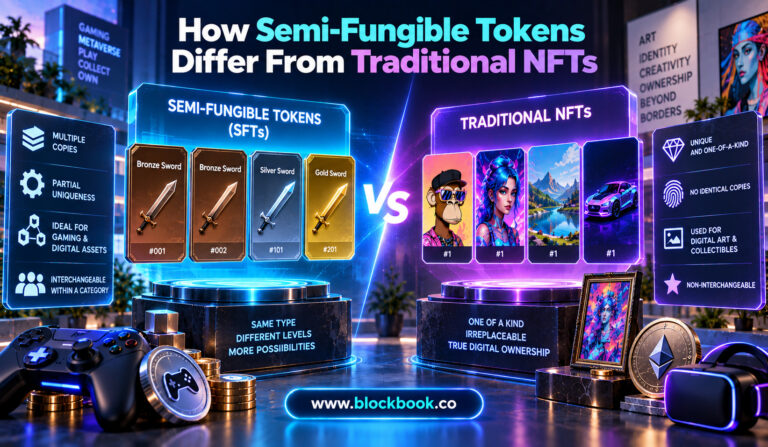
Digital art remains an important part of the NFT ecosystem, but utility-focused applications are appearing across multiple sectors. Gaming is one of the most frequently discussed areas because blockchain assets can potentially represent characters, equipment, land or other in-game items.
A utility NFT in gaming could have functionality beyond visual ownership. Depending on the game’s design, it might unlock a particular feature, provide access to an experience or represent an asset that interacts with the game’s economy.
Events and entertainment provide another potential use case. NFT-based tickets can be designed to provide verifiable ownership while reducing some of the limitations associated with traditional digital tickets. Organizers could also connect tickets with loyalty programs or post-event benefits.
Businesses are exploring similar ideas in customer loyalty. Instead of issuing conventional points, a company could provide blockchain-based digital credentials that represent membership or participation. The token could potentially be used across multiple services within a connected ecosystem.
The Difference Between Collectibility and Utility
Collectibility and utility are not necessarily competing concepts. An NFT can be both collectible and useful. The important difference is that utility gives users a reason to interact with an asset after purchasing it.
| Feature | Digital Collectible | Utility NFT |
| Main purpose | Ownership and collecting | Access, functionality or benefits |
| User interaction | Often limited | Usually ongoing |
| Value drivers | Rarity, design, creator and community | Usefulness, demand and ecosystem |
| Common examples | Digital artwork, profile images | Tickets, memberships, rewards |
| Long-term role | Primarily collectible | Potentially functional and collectible |
A visually attractive NFT can therefore become more valuable from a user-experience perspective when practical benefits are added. The strongest projects may combine artistic identity with meaningful functionality rather than relying entirely on scarcity.
Utility Can Improve User Engagement
One of the biggest challenges for digital collectibles is maintaining engagement after the initial purchase. A person may enjoy owning a digital artwork, but there may be little reason to interact with it regularly.
Utility can create repeated interactions. A membership NFT, for example, might provide new benefits every month. A gaming NFT can become part of an ongoing experience. A loyalty NFT could change as a customer reaches different levels within a program.
This creates a relationship between the owner and the NFT rather than a simple ownership transaction.
For companies, this can also create opportunities to build communities around products and services. Instead of treating NFTs as isolated digital objects, businesses can integrate them into broader customer experiences.
Four Areas Where NFT Utility Is Developing
Several categories demonstrate how utility can expand the role of NFTs:
- Membership: NFTs can act as digital credentials for communities, clubs, events or subscription-based experiences.
- Gaming: Blockchain assets can potentially represent items, characters and other digital resources that have functions inside games.
- Tickets and access: NFTs can provide verifiable digital entry while potentially connecting tickets to additional experiences.
- Rewards and loyalty: Brands can experiment with blockchain-based rewards that represent participation, status or access to special benefits.
These applications are still developing, and their success depends heavily on the quality of the underlying product. Simply attaching an NFT to a service does not automatically make that service useful.
The Technology Behind Utility
Smart contracts are an important part of the utility concept. These blockchain-based programs can define rules governing how tokens interact with applications or services.
For example, a smart contract can help establish whether a wallet holds a particular NFT before granting access to a digital experience. Developers can also design systems where ownership of an NFT triggers certain functions within an application.
However, technology itself is only one part of the equation. A complicated blockchain system can create friction for ordinary users. Wallet management, transaction fees, security and unfamiliar interfaces can all affect adoption.
For NFT utilities to become more mainstream, projects will likely need to make the blockchain component less visible to users while keeping ownership and functionality easy to understand.
Why Speculation Alone May Not Be Enough
The NFT boom demonstrated how quickly digital assets can attract speculative interest. But markets driven primarily by expectations of higher prices can be difficult to sustain.
Utility provides a different foundation. If users purchase an NFT because it gives them access to something they genuinely want, demand does not have to depend entirely on resale expectations.
That does not mean utility guarantees financial value. A poorly designed membership, game asset or loyalty program can still fail. Utility must solve a real problem or provide a meaningful experience.
The distinction is particularly important for new projects. Developers may be tempted to advertise future benefits without delivering a working product. Users are therefore likely to pay closer attention to whether promised functionality actually exists.
Challenges Facing Utility-Focused NFTs
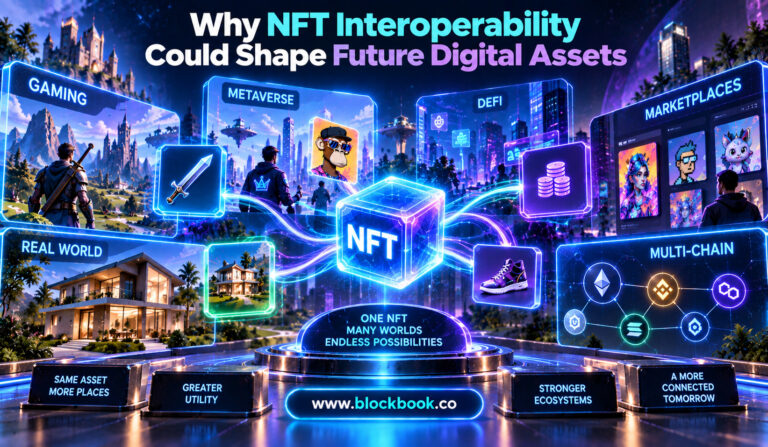
Utility also brings its own challenges. One major issue is interoperability. An NFT may be useful within one platform but have little function elsewhere. Creating systems that allow assets to work across compatible applications remains technically and commercially difficult.
User experience is another concern. Mainstream consumers may not want to manage private keys, network fees or blockchain transactions simply to access a discount or event.
There are also questions surrounding regulation, intellectual property, security and consumer protection. Projects that connect NFTs with real-world services need to consider both technological and legal responsibilities.
The most practical NFT projects will therefore need to balance blockchain functionality with a simple user experience.
Frequently Asked Questions
What is NFT utility?
NFT utility refers to the practical function or benefits associated with an NFT. These can include memberships, event access, gaming features, rewards, digital content or other services.
Are utility NFTs different from digital collectibles?
Yes, although the two can overlap. Digital collectibles primarily emphasize ownership, rarity or visual appeal, while utility NFTs provide additional functionality or access.
Can an NFT be both collectible and useful?
Yes. An NFT can have artistic or collectible value while also providing membership, gaming, ticketing or loyalty benefits.
Does NFT utility guarantee value?
No. Utility can give users a practical reason to own an NFT, but it does not guarantee market value, profitability or long-term demand.
Why is the NFT utility important for Web3?
Utility can help connect blockchain technology with real-world and digital applications. It may encourage users to interact with NFTs for reasons beyond buying and selling.
About the Author